Your Meaning and Purpose
Define who you are when AI can do what you do
Why this matters: AI may change your situation (your future job duties, your career path). If your identity is tied to “I write code” or “I analyze spreadsheets,” you are limiting your potential. If your identity is “I solve problems for people,” you remain valuable. Decouple your identity from your tasks and attach it to your purpose in life.
Mini-tool: Target Practice
Think of your career goals as an archery target. The outer rings are tasks based on data and logic – easy for AI to hit. The closer you get to the center, the harder it is to automate. To thrive, you must aim for the bullseye: the ability to connect, empathize and solve problems for other humans.

The “what” (outer) ring
The commodity. The product. The output.
AI Threat: High. AI generates output instantly. If your career goal is to create information, you are in the danger zone.
The “how” (middle) ring
The process. The strategy. The expertise.
AI Threat: Medium. AI can mimic methods, but you still set goals and make decisions.
The “bullseye”
Your central purpose. Your conviction and passion. Your meaning.
AI Threat: Lowest. People stick with those who bring values, accountability and trust built through real relationships.
Try It
If you think your career goals are threatened by AI, look honestly at the contributions you can make to your community and society and analyze who you are at three different three levels
What you do: Describe the output of your future work and think about whether AI could duplicate the things you will produce.
How you do it: Describe your approach to your work and the unique skills you bring to your tasks, perhaps working with the assistance of AI tools.
Why you do it: Identify why your work matters, how your career path will support your personal passion and life goals, how you will help others and our world, and the reasons you could never be replaced by a machine.
Adapted from the Student Guide to Artificial Intelligence (2026), developed by Elon University’s Imagining the Digital Future Center in partnership with American Association of Colleges and Universities. Used with permission under the Creative Commons BY-NC-SA license.
Have a Question?
Take a look at frequently asked questions about AI at NIU and available resources.
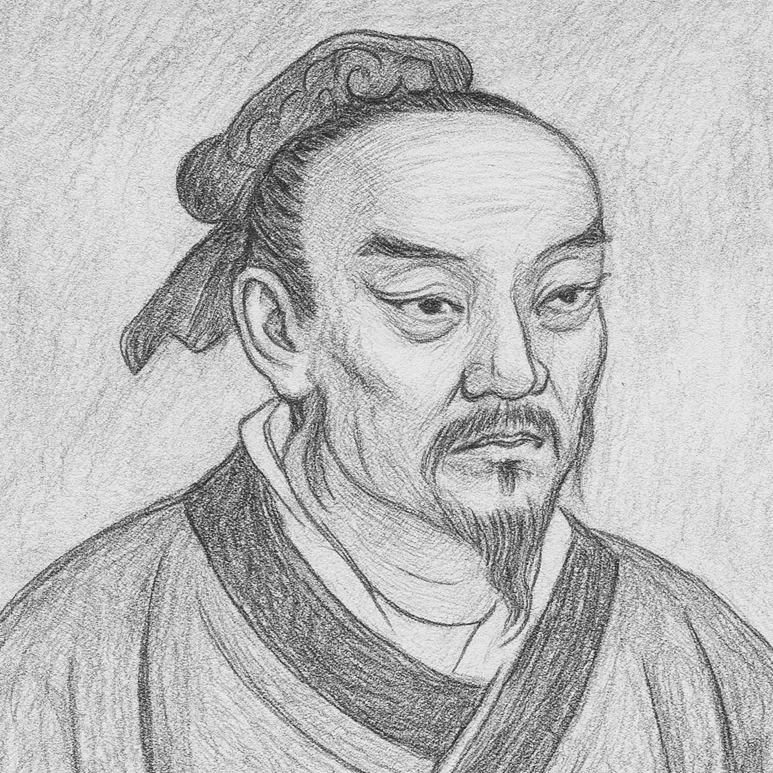
Mencius
371 – 289 BC
Chinese Confucian philosopher who emphasized human goodness, benevolent governance and moral responsibility of rulers
"Those who follow that part of themselves which is great become great men; those who follow that part which is little become little men."