Human Wisdom for the Age of AI Faculty Guide
Lesson 9: Adaptability
Time required: 45-60 minutes
This lesson teaches students to reframe AI disruption not as a threat to their career, but as an opportunity to expand their capabilitie
Learning Objectives - help students to
- Analyze their own anxieties about AI replacing their future work
- Identify specific human skills that become more valuable when technical skills are automated
- Develop a personal strategy for constant readjustment in a changing economy
Materials
- Student devices with access to a GenAI tool
- The Lens Adjustment worksheet
 A Resilient Spirit
In an environment of constant, accelerating change, embrace an adaptive mindset
In the rapidly evolving AI era, seemingly rigid skills can quickly become obsolete. An adaptive mindset is our ultimate survival skill. We can transform disruption into opportunity. By embracing constant readjustment, we ensure our value isn’t tied to a specific tool, but to our limitless capacity to evolve.
Helping students develop the skills of resilience means widening their horizons and the scope of what is possible, refusing to be defined by what they can do today. It requires the mental flexibility to "zoom out" from the immediate threat of automation and see the wider landscape where human judgment and strategy are needed more than ever.
Okakura Kakuzō
1863 - 1913
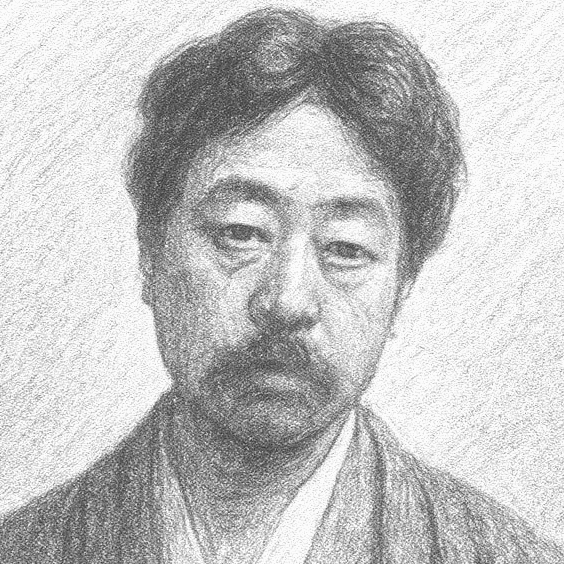
Japanese cultural theorist and aesthetic philosopher who interpreted Taoist ideas of harmony, adaptability and change
“The art of life lies in a constant readjustment to our surroundings.”
From: “The Book of Tea” Chapter 3
Published: 1906
- Okakura argued that life is not static; it is a fluid, ever-changing relationship between the self and the environment. Rigidity leads to breaking; flexibility leads to master
- AI is a massive shift in our environment. If we try to hold onto old ways of working (rigidity), we will not thrive. But if we view our career as a continuous evolution, we can flow and grow with the technology, using it to enhance rather than replace us.
Engage the Class
Start the conversation: "Raise your hand if you worry your future job might disappear because of AI. You are right to worry. Many specific roles will change or vanish. The best way to survive is to avoid attaching your identity to a specific job title (which is transient) and start attaching it to your ability to adapt (which is constant). Are you ready to learn how to pivot?"
Let's go: “Today, we are going to learn how to change our view of future vocations. We will stop looking at AI as a monster that eats jobs and start looking at it as a tool that changes them.”
Exercise
Lens Adjustment
Introduction (5 minutes)
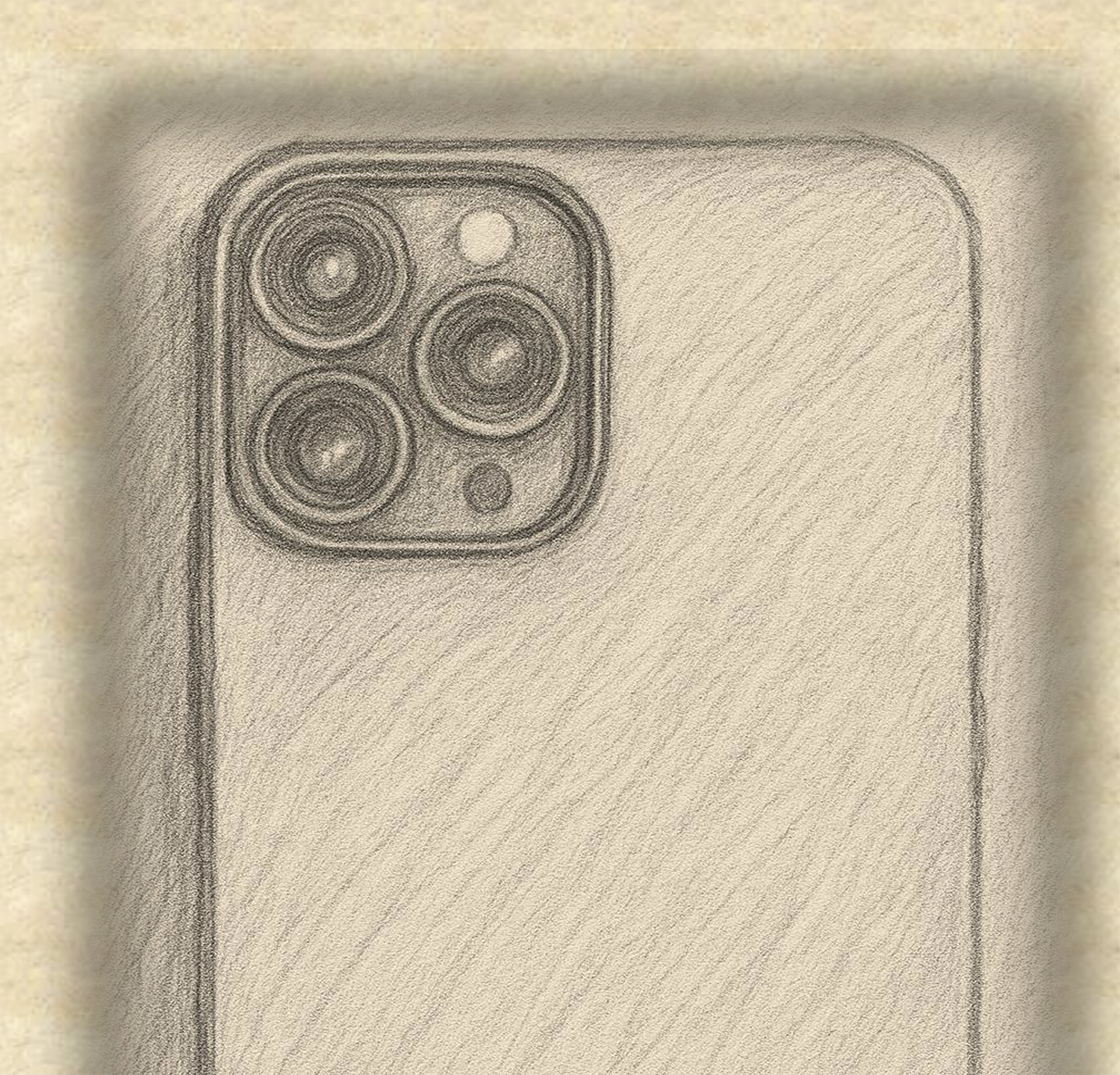
Explain the metaphor: Fear locks us in "Zoom" mode (narrowly focused on the problem and not seeing the wider picture). Resilience is the ability to widen the lens.
Choosing the Right Lens (30 minutes)
Have students write down their biggest specific fear about AI and their career. (Ex.: "I am studying graphic design. AI can make logos in seconds. I will be unemployed.”)
Label this: The Zoom lens (threat)
Now, ask them to research the actual state of the tech. Is it perfect? No. Is it cheap? Yes. (Ex.: "The cost of making average images is zero. But clients still need specific, branded, strategic visual systems."
Label this: The normal lens (fact)
Finally, ask them to brainstorm on this question: “What 'higher-level work' can you do with your skills?” (Ex.: "I won't sell 'making logos.' I will sell ‘brand strategy’ – the expert consultant who helps the client choose the right image.
Label this: The wide angle (opportunity)
Debrief (10 minutes)
Ask each group: Do you feel less anxious about your career? How did the wide angle lens help you see opportunities you didn’t think about before?
Lens Adjustment: Career Audit
My current career path:
TELEPHOTO (The threat)
Zoom in on the anxiety. What specific task are you afraid AI will take?
What I am concerned about:
NORMAL VIEW (The fact)
Strip away the emotion. What is the economic reality?
The Fact: "The cost of [Task] is dropping to zero because of automation."
What AI can do well:
What AI does poorly:
WIDE ANGLE (The opportunity)
Look at the big picture. What higher-value skills can you bring to the workplace?
New skill/service:
What you will need to do to prepare for this role:
Question 1
Okakura says life is "constant readjustment." Why is this mindset harder to have than the mindset of "I learned a trade and now I'm done"? How does the university system encourage rigidity (majors, tracks) rather than flexibility?
Question 2
If the specific skills you are learning might be taken over by AI, what are the skills you need to wrap around them? How do you practice things like strategic foresight, ethical judgment, or managing ambiguity while you are still in school?
Question 3
Resilience isn't about toughing it out. Why is "toughing it out" (trying to beat the AI at its own game) a losing strategy? Why is "reframing" a winning strategy?
Question 4
Adaptability is like a muscle—you have to exercise it to make it strong. What is one small, low-stakes way you could practice working outside your comfort zone this week? How can you build a habit of constantly testing new ways of working?
Question 5
Imagine you are interviewing for a job. The interviewer asks: "Why should we hire you when we have ChatGPT?" Based on your worksheet, what is your answer?
Reflective Assessment
How well did this lesson enable students to:
- Articulate a specific fear regarding AI and their field?
- Identify a high-level human skill to pivot toward?
- Frame adaptability as a professional asset, not a sign of weakness?
How can you build on this lesson to help students become more resilient?
Adapted from the Student Guide to Artificial Intelligence (2026), developed by Elon University’s Imagining the Digital Future Center in partnership with American Association of Colleges and Universities. Used with permission under the Creative Commons BY-NC-SA license.
Have a Question?
Take a look at frequently asked questions about AI at NIU and available resources.