Human Wisdom for the Age of AI Faculty Guide
Lesson 4: Creativity
Time required: 45-60 minutes
This lesson teaches students to treat AI as a source of raw ingredients but reserve the role of "Chef" (synthesis, taste and vision) for themselves.
Learning Objectives - help students to
- Identify the difference between "remixing" (AI) and "creating" (human)
- Practice integrating human elements (emotion, surprise) into AI-generated drafts
- Understand that human creativity is an act of both synthesis and original concept generation
Materials
- Student devices with access to a GenAI tool
- Recipe Card worksheet
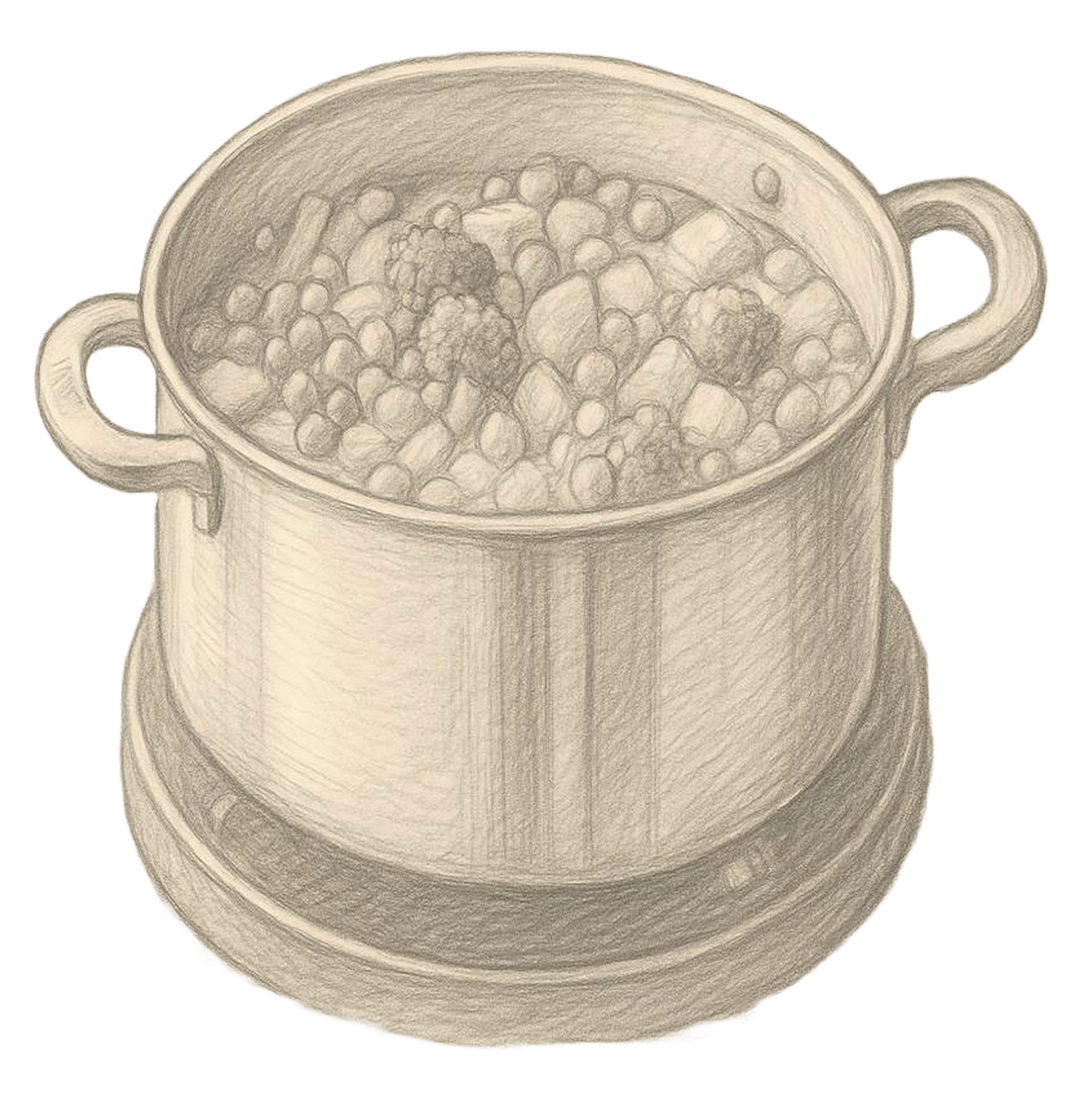 The Creative Kitchen
Ignite your imagination and drive for innovation
While AI tools can rapidly remix and rephrase existing information, human creativity comes from the process of synthesis—forging surprising connections between disparate concepts and infusing them with emotion and meaning to create something entirely new that resonates with others.
Helping students develop the skills of a "Creative Chef" means ensuring their work is a gourmet meal, not a bland ration. An AI can generate a technically perfect but forgettable result. A true artist or creator intentionally balances fundamental "flavors"—intellect, emotion, aesthetic and surprise— to create work that is rich, memorable and deeply satisfying. For most quality meals, this means allowing enough time for slow cooking and simmering.
Phillis Wheatley
1753 - 1784
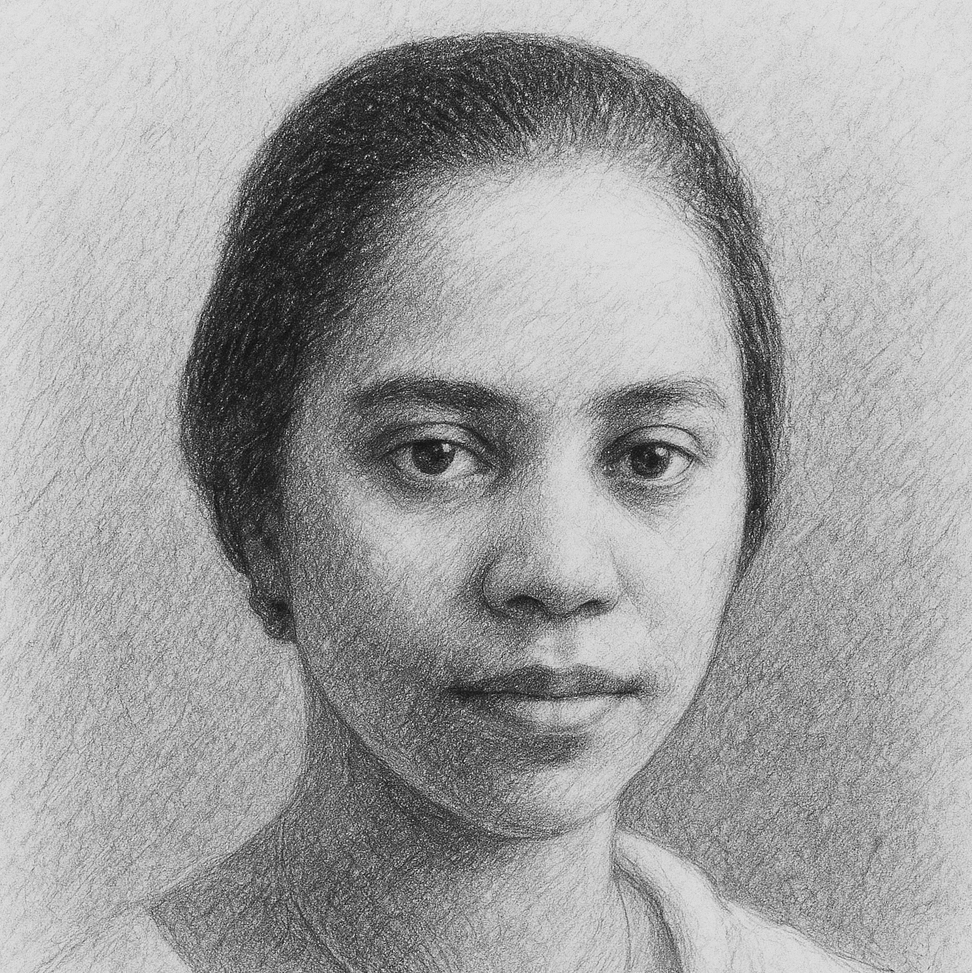
Pioneering African American author whose renowned poetry challenged racial prejudices and advocated moral equality and freedom
“Imagination! who can sing thy force? / Or who describe the swiftness of thy course? / We on thy pinions can surpass the wind, / And leave the rolling universe behind.”
From: “Poems on Various Subjects, Religious and Moral” p. 66
Published: 1773
- Wheatley championed the "unbounded" nature of the human soul. She argued that while the physical world (and data) is limited, human imagination has the power to "surpass the wind" and create new worlds that do not yet exist.
- AI predicts patterns based on the vast data of what has already happened. While it can remix this data into novel combinations, it lacks the lived experience and moral vision that drive human imagination. Wheatley reminds us that true creation isn't just prediction; it's the ability to envision a future that defies existing patterns.
Engage the Class
Start the conversation: “Have you ever read an AI essay that was technically perfect but completely boring? Why? What ‘flavor’ was missing? Today we’re going to learn how to add the spice that AI leaves out.”
Let's go: “Today, we will treat AI as our sous-chef—it chops the vegetables (data/structure). But you are the Executive Chef. You decide the flavor profile, the presentation and the emotional impact of the final dish.”
Exercise
Top Chef
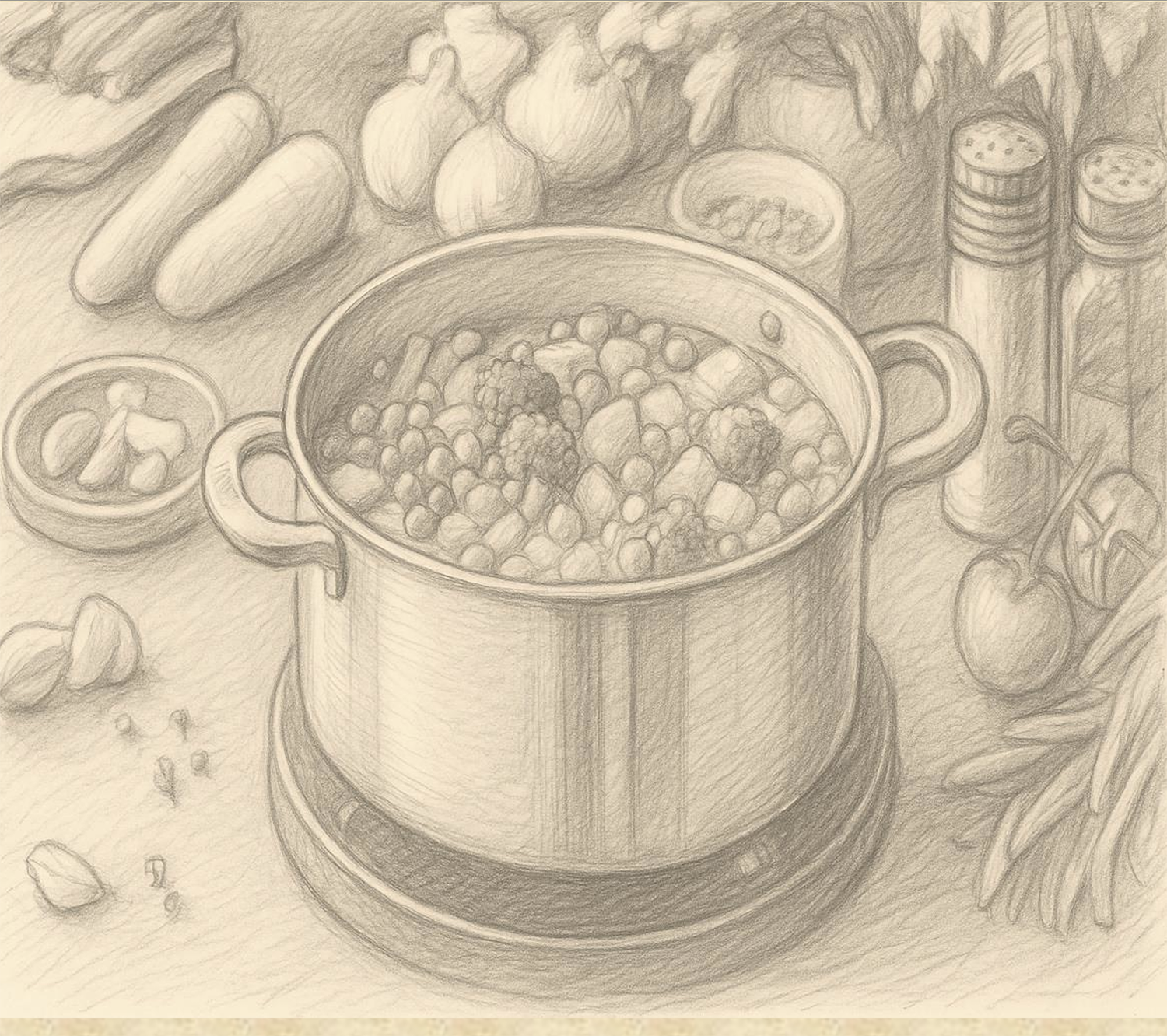
Introduction (5 minutes)
Explain the metaphor: Information is nutrition, but creativity is cooking. AI gives you a bland nutrient paste. Your job is to season it.
The Taste Test (10 minutes)
Have students prompt an AI to write a short creative piece (e.g., "Write an opening paragraph for a speech about climate change"). Then rate it on the four flavors:
- Intellect (Salty/Sharp): Is it logical and correct?
- Emotion (Sweet/Rich): Does it make you care?
- Aesthetic (Sour/Bright): Is the language beautiful and engaging?
- Surprise (Bitter/Spicy): Is there anything unexpected?
The Kitch Work (10 minutes)
Ask students to edit the AI draft to balance the flavors, including a personal story, changing boring verbs to vivid ones and adding a surprising or controversial angle.
The Final Dash (5 minutes)
Have a few students share how they transformed the piece from "content" to "art."
Top Chef: Recipe Card
The AI Base
Bring the AI-generated draft up on your device screen
The Flavor Audit
Rate the AI-generated draft on a scale of 1-5 (1=bland, 5=strong)
| Element | Rating |
|---|---|
| Intellect (Structure, Logic) | |
| Emotion (Heart, Empathy) | |
| Aesthetic (Style, Voice) | |
| Surprise (Originality, Risk) |
Chef's Additions
Describe what you will add to boost the missing flavors
To add emotion:
To add aesthetic:
To add surprise:
The Final Plate
Write your revised draft on your device just below the AI-generated draft and highlight the changes and additions.
Question 1
Phillis Wheatley says imagination allows us to "leave the rolling universe behind." AI cannot leave its training data behind. Can you think of an example of a creative leap (in art, science or business) that could not have been predicted by looking at past data?
Question 2
In the exercise, which "flavor" was the AI best at providing? Which was it worst at? Why is ”surprise" so difficult for a machine that is designed to predict the most likely next word?
Question 3
If AI can generate average creative work instantly (logos/graphics/copy), does that make human creativity less valuable or more valuable? Does "hand-crafted" become a premium label?
Question 4
Think about the AI-generated images, music, or videos you’ve seen recently. Do they feel "real" to you? Can you spot the "AI look"? As these tools get better, do you think we will lose our ability to distinguish human art from machine art, or will "human imperfection" become a style we value more?
Question 5
Generative AI models are trained on billions of images and texts created by humans, often without permission or payment. Is it ethical to use a tool that "cooks" with stolen ingredients? How do we balance the amazing creative power of these tools with the rights of the humans who made the training data?
Reflective Assessment
How well did this module enable students to:
- Analyze a piece of work for creative balance?
- Identify the generic nature of raw AI output?
- Actively integrate human elements into a draft?
How can you build on this lesson to help students take more creative risks?
Adapted from the Student Guide to Artificial Intelligence (2026), developed by Elon University’s Imagining the Digital Future Center in partnership with American Association of Colleges and Universities. Used with permission under the Creative Commons BY-NC-SA license.
Have a Question?
Take a look at frequently asked questions about AI at NIU and available resources.