Human Wisdom for the Age of AI Faculty Guide
Lesson 1: Curiosity
Time required: 45-60 minutes
This lesson teaches students to treat AI not as an oracle, but as a landscape to be explored using specific, targeted inquiry.
Learning Objectives - help students to
- Understand that curiosity is a habit, not a personality trait
- Distinguish between “lazy” AI prompts and deep inquiry
- Explore topics from multiple perspectives
- Identify gaps in AI-generated information
Materials
- Student devices with access to a GenAI tool
- Idea Compass worksheet
 The Drive to Discover
Harness your sense of curiosity and ask great questions
While AI excels at delivering instant answers, human value lies in asking better questions. Our ability to probe beneath surface-level information transforms facts into meaningful understanding.
Helping students develop their curiosity means rejecting passive acceptance of quick answers. The quality of our questions determines the depth of our discoveries—lazy queries yield shallow responses, while thoughtful questions that explore specifics, challenge assumptions, and pursue tangential possibilities unlock AI's full potential.
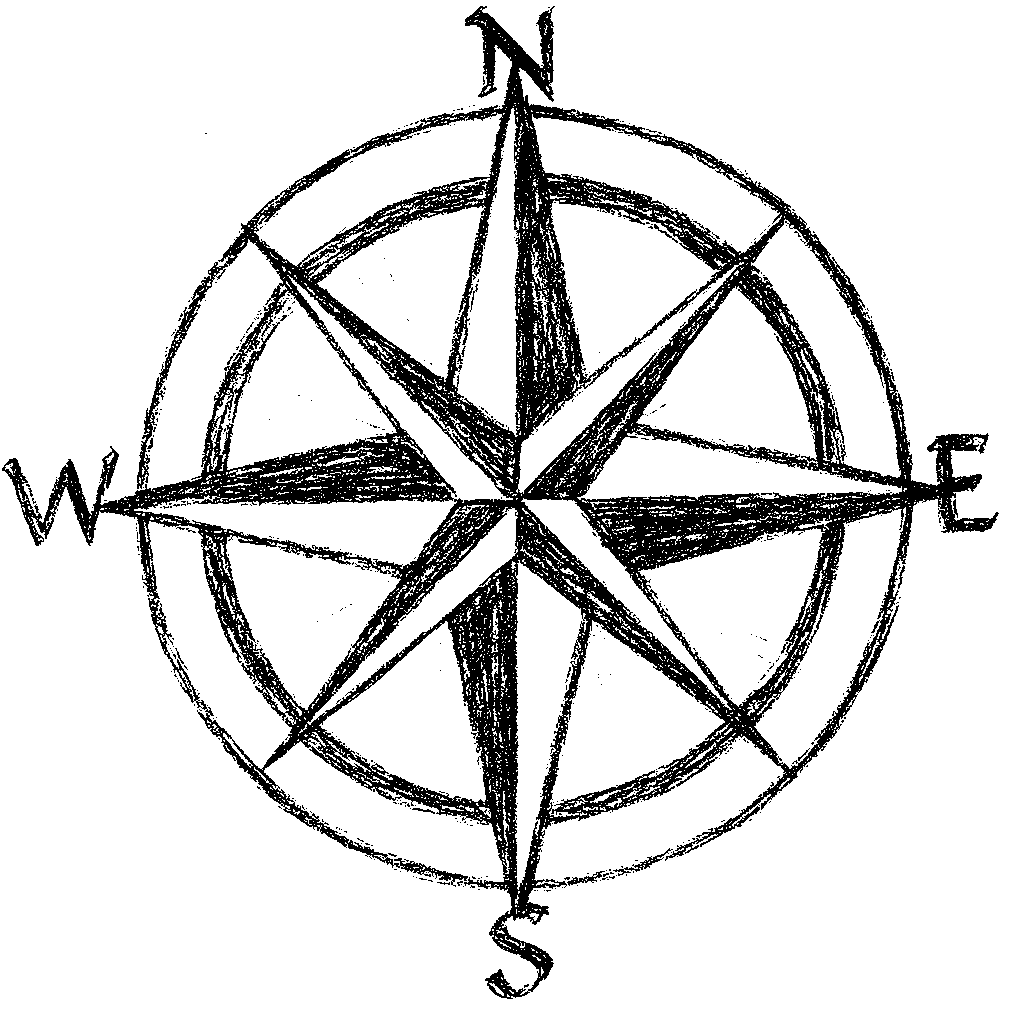
Curiosity is our compass to navigate AI-generated output. Encourage students to use their own minds, ask follow-up questions, think critically, and connect ideas across domains, transforming AI from an answer machine into a catalyst for intellectual growth and creative discovery.
René Descartes
1596 - 1650

French scholar, mathematician and scientist known as the father of modern philosophy
“I regard wonder as the first of all the passions.”
From: “The Passions of the Soul” Part II/#53
Published: 1650
- René Descartes categorized "wonder" as the primary intellectual passion. Unlike love or hate, wonder operates in the cognitive realm — it is our response to something novel, rare or extraordinary.
- Descartes said wonder sparks the unique human drive to pursue knowledge and discovery.
Engage the Class
Start the conversation: “Descartes characterized wonder as a sudden surprise of the soul. When you type a prompt into AI, do you feel wonder? Or do you just feel efficient?”
Let's go: “Today, we are going to look at why trading wonder for speed might be making us less intelligent, and how to get the spark back. Let’s train ourselves to look at information with curiosity and ask ‘Why?,’ ‘How?’ and ‘What if?’”
Exercise
The Idea Compass
Introduction (5 minutes)
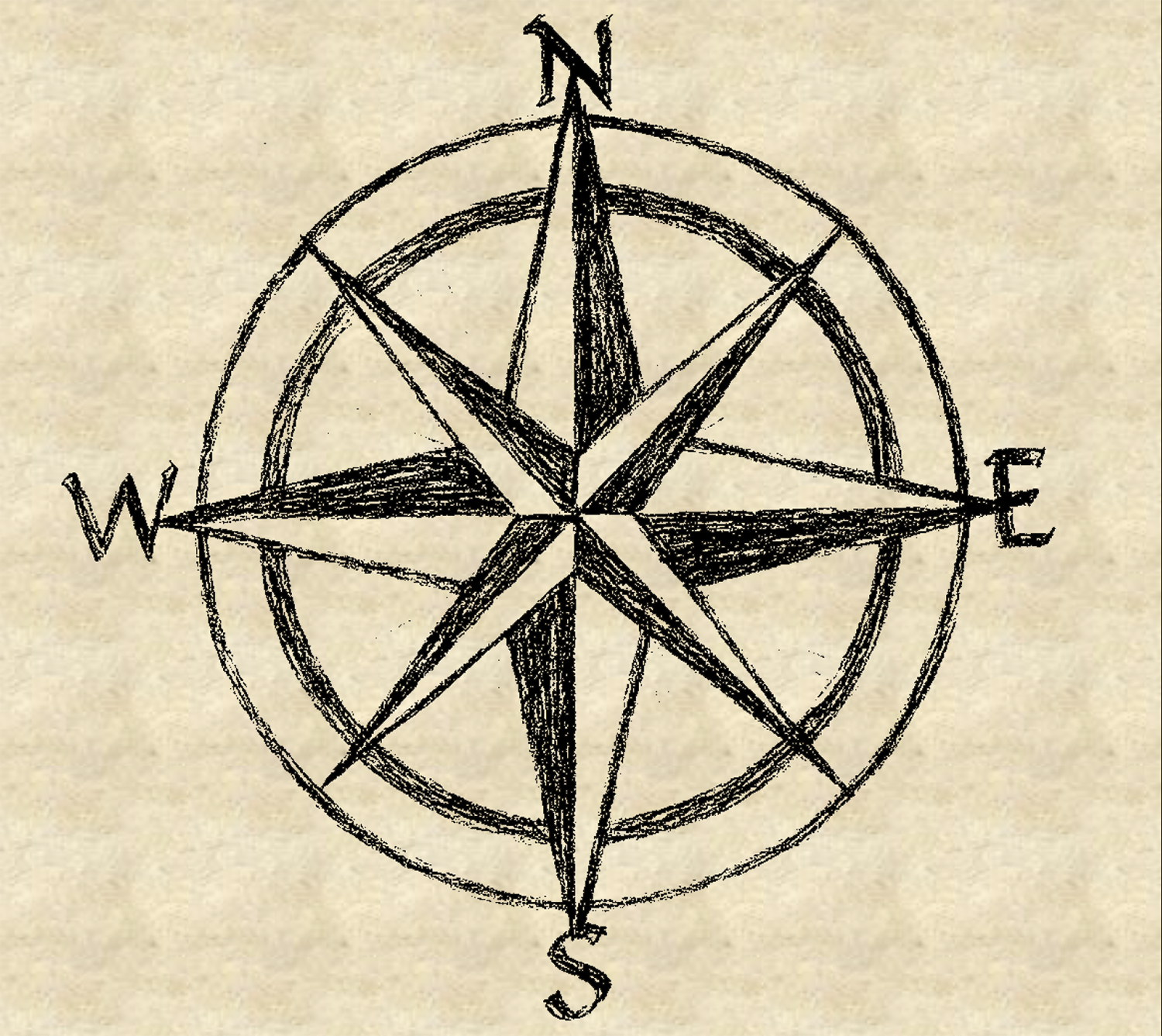
Explain the metaphor: Lazy use of AI takes you nowhere on your intellectual journey. A curious mind uses a compass to navigate to new territories.
The compass-guided expedition (20 minutes)
Have students open their AI tool and pick a current project or topic they are studying. Ask them to prompt the AI four separate ways, using the four compass directions:
- North: What are the first principles and core ideas behind [your topic]?
- East: What other fields or concepts connect to [your topic]?
- South: Create three real-world scenarios where [your topic] is applied. What works well? What are the problems?
- West: Explain the origin and history of [your topic].
The gap analysis (10 minutes)
Take a look at the four AI outputs and get curious and critical. What’s missing? What does the AI misinterpret? What does the AI get wrong?
Reminder
The Idea Compass can be used for any kind of project, not just a school assignment.
Idea Compass: Map the Territory
Topic/project:
NORTH: First principles (The Core Idea)
Prompt the AI for the fundamental concepts. Is the answer accurate? Is it deep enough?
Notes:
EAST: Related concepts (The Connections)
Prompt the AI to connect this to different fields. What are the parallels?
Notes:
SOUTH: Application (The Real World)
Prompt the AI for three scenarios. How does your topic apply in real life situations?
Notes:
WEST: History & origin (The Context)
Prompt the AI for the origin story. How did this idea evolve?
Notes:
What is missing?
Look at your four answers above. What is still missing? What did the AI get wrong or oversimplify? Write one new question you need to investigate yourself:
Question 1
René Descartes calls wonder "the first of all passions," suggesting it is an emotional, human experience. However, we often use AI tools for speed and efficiency. In your own experience, does the instant gratification of an AI answer satisfy your curiosity, or does it prematurely shut down your sense of wonder? How can we use AI to fuel wonder rather than replace it?
Question 2
When you are researching a topic for a class, which of the four directions of the Idea Compass do you naturally gravitate toward, and which do you usually ignore? How might neglecting those "blind spots" limit your understanding of the world?
Question 3
Do you believe that AI threatens to turn us into passive consumers of information? Can you share a recent example where you stopped thinking once the AI gave you an answer, and how you might have handled that differently using the Idea Compass?
Question 4
In the age of AI, some say the skill of finding answers will become less valuable than the skill of asking questions. Do you agree? If "asking great questions" is the new job requirement, how do we promote that skill in schools?
Question 5
AI is designed to provide authoritativesounding answers even to poor questions. What specific mental habits can we build to resist the temptation to just accept the first AI output?
Reflective Assessment
How well did this module enable students to:
- Select and explore a topic across all four compass directions?
- Critique AI outputs to form their own conceptions of their topic
- Develop a greater appreciation of the importance of curiosity?
How can you build on this lesson to help students develop a drive for discovery?
Adapted from the Student Guide to Artificial Intelligence (2026), developed by Elon University’s Imagining the Digital Future Center in partnership with American Association of Colleges and Universities. Used with permission under the Creative Commons BY-NC-SA license.
Have a Question?
Take a look at frequently asked questions about AI at NIU and available resources.