Guiding Principles
Set firm ethical boundaries in working with AI to protect people, property and society
Why this matters: Using AI includes a temptation: to trade our independence for convenience. When we fully rely on an algorithm to generate our words or ideas, we risk weakening our ability to think for ourselves. Ethical practice means setting strict boundaries – protecting your own mind and respecting the rights and property of others. It is the discipline of staying in charge, even when using the AI tools is easier.
Mini-tool: The Three Keys
Ethics don’t work if you make them up in the moment. When deadlines are tight and you are tired, you will be tempted to rationalize AI shortcuts. Preserve your integrity by mentally securing your workflow with three locks. You cannot proceed until you turn all three keys.
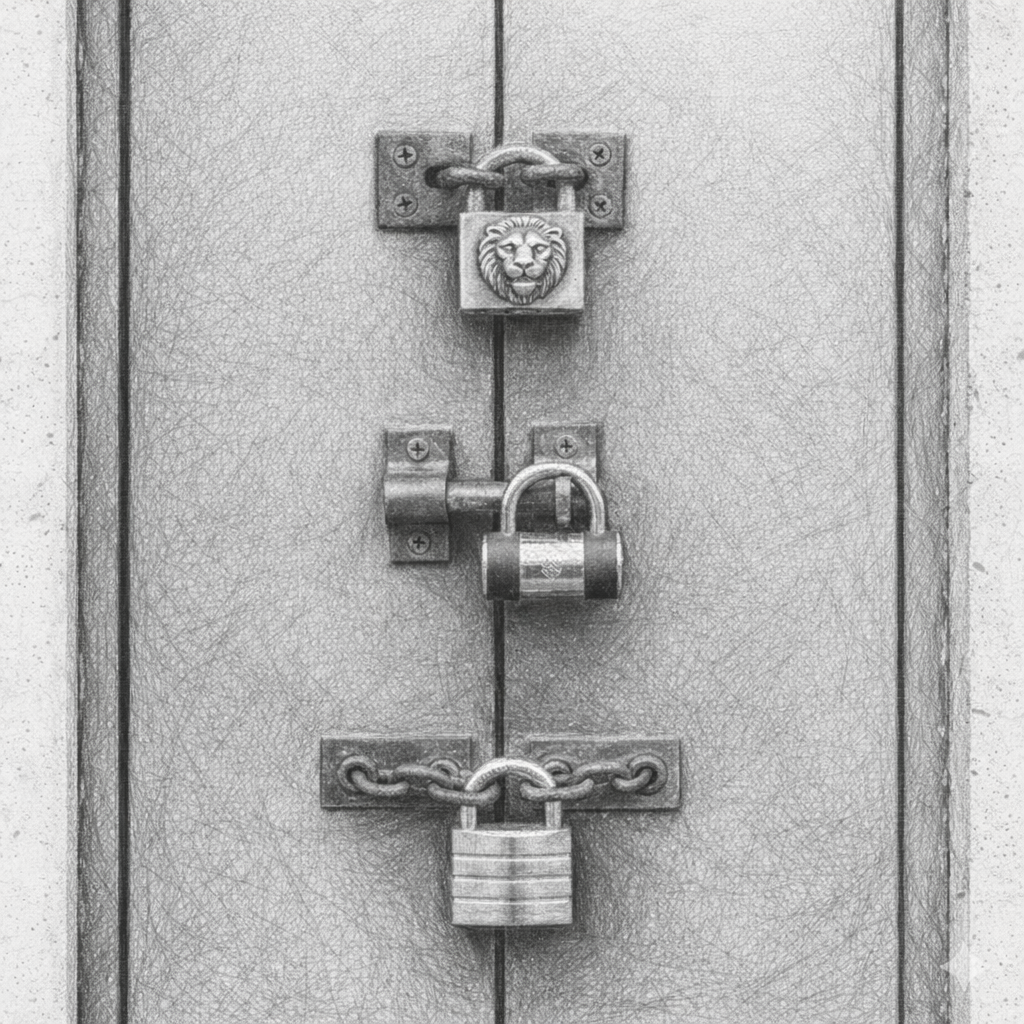
Key 1: Protect your own sovereignty – don’t relegate yourself to being a button-pusher who can’t think without AI.
Key 2: Protect privacy and property – don’t share private or proprietary information with AI, or use others’ creative works without their permission or proper attribution.
Key 3: Protect human rights – don’t use AI in ways that could spread misinformation or bias, waste valuable resources, aid bad actors or harm others.
Try It
On your next AI project, take these three steps
- Describe exactly what you are planning to do with AI.
- Identify the padlocks: Write down the ways AI could diminish your role, violate the privacy and property rights of others, or negatively impact society.
- Can you open the locks? If you can’t turn all three keys with a clear conscience, rethink the project and the role of AI in your work.
Example
You’re considering using AI to generate an entire essay.
Padlocks:
- Eliminates my role as author
- Uses sources without attribution
- Devalues the work of other students who do their own work
Verdict: Turn the keys only if you can resolve these issues with a different approach.
Adapted from the Student Guide to Artificial Intelligence (2026), developed by Elon University’s Imagining the Digital Future Center in partnership with American Association of Colleges and Universities. Used with permission under the Creative Commons BY-NC-SA license.
Have a Question?
Take a look at frequently asked questions about AI at NIU and available resources.
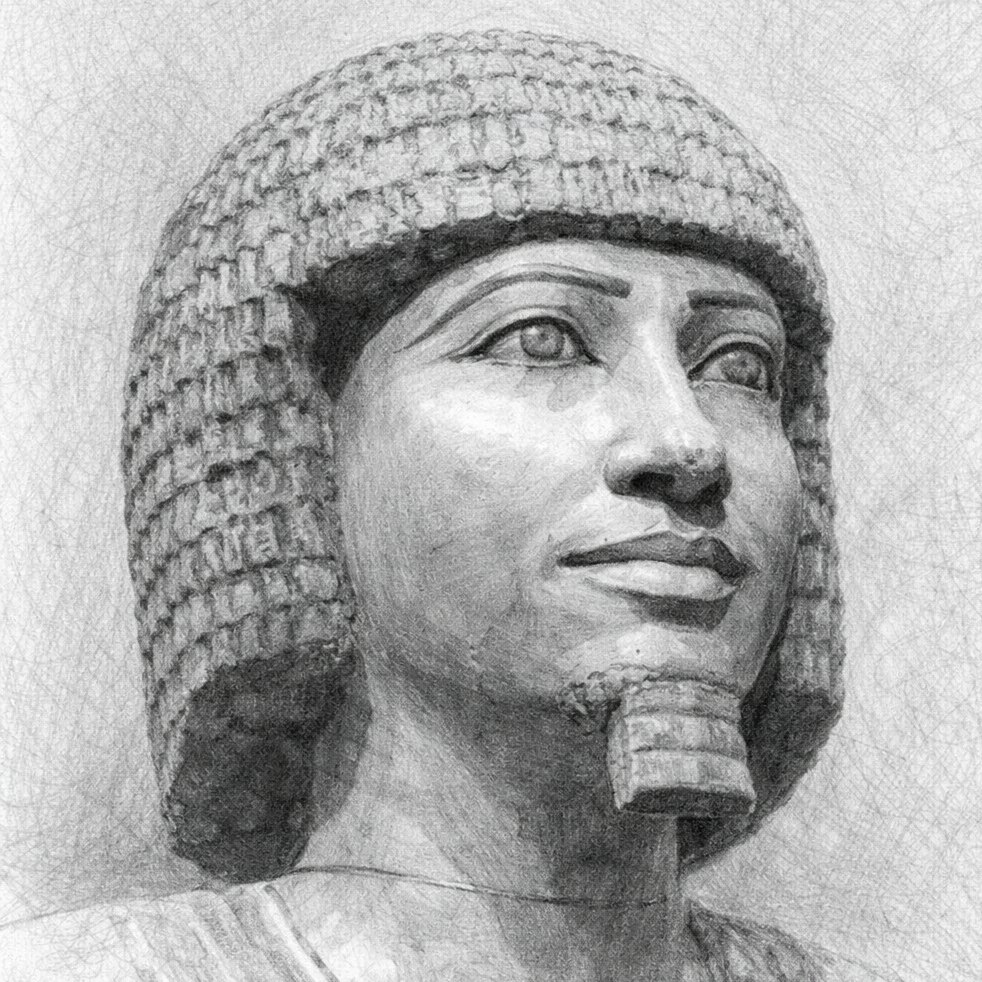
Ptahhotep
About 2400 BC
Ancient Egyptian minister renowned for his “Maxims,” one of the earliest known works of moral and ethical instructions
"Endeavour always to be gracious, that thine own conduct be without defect …If thou desire that thine actions may be good, save thyself from all malice, and beware of the quality of covetousness, which is a grievous inner malady. "