Priyanka Banik
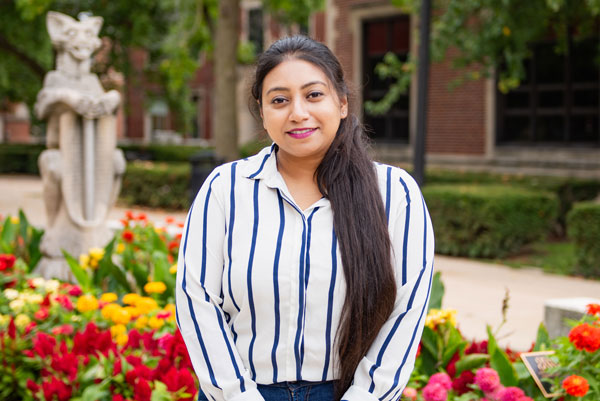
Priyanka Banik is a mathematical sciences doctoral student with a focus on statistics from Kolkata, India
Hometown: Kolkata, India
High School: Jadavpur Vidyapith
Year: Anticipated Graduation: Spring 2027
What is your major (and/or minor), and why did you decide on this course of study?
I am currently pursuing a Ph.D. in mathematical sciences with a focus on statistics. I initially began my academic journey in economics, but over time I became more interested in the quantitative side of problem-solving, particularly how data can be used to understand complex real-world issues. This led me to transition into statistics, where I could develop stronger analytical and modeling skills. What drew me to this field is its versatility and impact. Statistics allows me to work across different domains, where data-driven insights can help improve outcomes and inform decision-making. My coursework and research have given me the opportunity to work with large datasets and apply statistical methods to meaningful problems, which reinforced my decision to pursue this path.
Tell us about the research you are conducting at NIU: what it involves, why it interests you and who has been important to your success along the way.
My research at NIU focuses on applying statistical modeling and data analysis to understand real-world outcomes using large-scale datasets. My research area is Bayesian statistics, and I have worked with resources such as the NIH All of Us Research Program and the Behavioral Risk Factor Surveillance System (BRFSS), where I study how factors like access to care influence outcomes such as pain severity and functional limitations. These works involve building statistical models, running simulation-based analyses and interpreting results to identify meaningful patterns across populations. What interests me most about this research is its real-world impact. It allows me to move beyond theory and use data to better understand disparities and challenges. Knowing that these analyses can contribute to improving how we interpret data and support decision-making makes the work especially meaningful to me. Throughout this journey, faculty mentorship has played a crucial role in my development. Working closely with advisors and collaborators has helped me refine my research questions, strengthen my analytical approach and grow as both a researcher and communicator. Their guidance, along with the collaborative environment at NIU, has been essential to my success.
How has conducting research strengthened your experience at NIU, and how do you expect it to help you in the future?
Conducting research has been one of the most impactful parts of my experience at NIU. It has allowed me to move beyond coursework and apply what I have learned to real-world problems. Through working with large healthcare datasets and developing statistical models, I have strengthened my analytical thinking, problem-solving skills and ability to approach complex questions in a structured way. Research has also helped me become more confident in communicating technical ideas, whether through presentations, reports or discussions with faculty and peers. Equally important has been the collaborative aspect of research. Working closely with mentors and other researchers has taught me how to refine ideas, accept feedback and continuously improve my work. These experiences have made my time at NIU more engaging and meaningful. Looking ahead, I expect this research experience to play a critical role in my career. It has prepared me to work on applied problems where data-driven insights are essential. The ability to translate complex analyses into meaningful conclusions is something I will carry forward into any future role.
If you completed or are you currently pursuing an internship or other career-related experience, how did you get your internship, and where was it?
I gained career-related experience through my academic research at NIU. I collaborated with faculty on projects involving large-scale healthcare datasets such as the NIH All of Us program and BRFSS. Through this role, I developed hands-on experience in data analysis, statistical modeling and research communication. These opportunities came through faculty mentorship and academic research initiatives within my department. While not a formal internship, this experience provided me with practical, real-world exposure to applied data science and research, similar to what many internships aim to offer.
What have you learned or experienced through your internship that you couldn't have gotten in a classroom?
Through my research experience, I learned how different real-world problem-solving is compared to classroom learning. In a classroom, problems are often well-defined with clear steps, but in research, I had to work with messy, incomplete datasets and figure out how to structure the problem myself. This required me to think more critically about data quality, assumptions and the limitations of different models. I also gained experience communicating results to different audiences. Instead of just focusing on technical accuracy, I learned how to present findings in a way that is clear and meaningful, especially when working with collaborators who may not have a technical background. Another key difference was the iterative nature of the work. In research, results are rarely perfect on the first attempt, so I learned to refine models, test assumptions and continuously improve my approach. These experiences helped me develop practical problem-solving skills and adaptability that go beyond what can be taught in a classroom.
What advice would you give to a student who is trying to land their first internship?
My biggest piece of advice would be to focus on gaining practical, hands-on experience, even if it doesn’t come in the form of a traditional internship at first. Early in my journey, I did not have a formal internship, but I started working on research projects and real datasets, which helped me build the same skills that internships typically look for. I would also recommend being proactive: reach out to professors, apply for research assistant roles and take on projects where you can apply what you are learning. These experiences not only strengthen your technical skills but also help you understand how to solve real-world problems. Another important aspect is communication. Being able to clearly explain your work, whether through presentations or reports, is just as valuable as technical ability. Finally, be patient and consistent. The first opportunity can take time, but building skills and staying engaged with real-world applications will eventually open the right doors.
What do you believe an NIU degree will make possible for you that might not have been possible otherwise?
I believe an NIU degree has given me opportunities that go beyond what I initially imagined, particularly in terms of research and applied learning. At NIU, I was able to work closely with faculty, engage in hands-on research using real-world datasets and present my work at conferences, experiences that might not have been as accessible to me otherwise. The program also allowed me to transition from economics into statistics and develop a strong foundation in data analysis and modeling. This flexibility helped me discover my interest in applying statistical methods to healthcare and other real-world problems. Perhaps most importantly, NIU has given me the confidence to approach complex problems independently and communicate my work effectively. These experiences have prepared me for opportunities in research and industry that require both technical expertise and practical problem-solving skills, which I may not have developed to the same extent in a more traditional or less research-focused environment.
What has genuinely surprised you about your experience at NIU?
What has genuinely surprised me about my experience at NIU is how accessible and supportive the research environment has been. I did not expect to have so many opportunities to work closely with faculty, ask questions and actively contribute to research projects early on. The level of mentorship and encouragement to explore ideas independently has been a very positive surprise. I have also been surprised by how collaborative the environment is. Whether it’s working with peers, discussing ideas with faculty or presenting research, there is a strong sense of openness and support that makes it easier to grow both academically and professionally. Overall, NIU has exceeded my expectations in terms of how much hands-on experience and guidance I have received, which has played a major role in shaping my academic journey.
Are you involved in student organizations, mentoring programs or extracurricular activities? If so, which ones, and how have they shaped your experience as a Huskie?
Yes, I have been involved in several academic and professional activities that have shaped my experience at NIU. I am a member of the American Statistical Association (ASA), which has helped me stay connected with the broader statistics community and engage with current research developments. I have also presented my work at conferences, which has strengthened my confidence in communicating research to diverse audiences. In addition, I work as a graduate research assistant with Statistical and Mathematical Consulting Services at NIU. In this role, I collaborate with clients from different disciplines, applying statistical methods to real-world problems and helping translate data into meaningful insights. This experience has been especially valuable in developing both my technical skills and my ability to communicate effectively with non-technical stakeholders. My role as a graduate teaching assistant has also allowed me to mentor students and support their learning. Together, these experiences have helped me grow as a researcher, communicator and collaborator and have made my time at NIU both engaging and impactful.
What NIU offices, departments or resources have helped you feel supported and successful, and how?
Several departments and resources at NIU have played an important role in supporting my academic and professional growth. The School of Mathematical and Statistical Sciences has been central to my experience, providing strong faculty mentorship, research opportunities and a collaborative environment that encouraged me to explore applied problems in depth. NIU’s Statistical and Mathematical Consulting Services has also been especially impactful. Through my work there as a graduate research assistant, I have been able to collaborate with individuals from different disciplines, apply statistical methods to real-world problems and gain practical experience beyond the classroom. This hands-on exposure has significantly strengthened both my technical and communication skills. In addition, NIU’s Career Services and the International Student and Scholar Services office have been valuable resources. They have provided guidance on career development, professional preparation and navigating opportunities as an international student, which has helped me feel more confident in planning my future. Overall, these resources have created an environment where I could grow confidently as both a researcher and a problem-solver.
Who has been a favorite instructor or professor, and what did they teach? What made them memorable?
One of my most memorable professors at NIU has been Dr. Duchwan Ryu, who is also my Ph.D. advisor. He has played a significant role in shaping my academic journey and research development. Through his guidance, I have learned how to approach research problems more thoughtfully, structure my ideas clearly and apply statistical methods in a meaningful way. What makes Dr. Ryu especially memorable is his consistent support and mentorship throughout my Ph.D. He has always been approachable and encouraging, whether it was discussing research challenges, refining ideas or providing feedback on my work. His emphasis on both technical rigor and clear communication has helped me grow not only as a researcher but also as a more confident thinker. Beyond academics, his mentorship has made a lasting impact on my overall experience at NIU. Having someone who genuinely supports your progress and encourages you to push your boundaries has been invaluable, and I am grateful for the role he has played in my journey.
Where is your favorite spot on campus or in the community, and why are you drawn to it?
One of my favorite spots on campus is Founders Memorial Library. It has been a place where I have spent a lot of time working on research, preparing for presentations and reflecting on ideas. I am drawn to the quiet and focused environment, which makes it easier to think deeply and stay productive. At the same time, the library represents more than just a study space for me. It is where many important parts of my academic journey have taken shape, from early coursework to more advanced research work during my Ph.D. It has been a consistent and reliable space where I could concentrate, learn and grow. I also appreciate how it brings together students from different disciplines, all working toward their own goals. That shared sense of purpose makes it a motivating and inspiring place to be.
How has NIU helped you find your community or your sense of belonging here?
NIU has helped me find a sense of belonging through its supportive and collaborative environment. As an international student, transitioning to a new academic system and culture can be challenging, but I found that the faculty, peers and campus resources made that process much easier. The openness of professors and the willingness of peers to collaborate created a welcoming atmosphere where I felt comfortable asking questions and sharing ideas. My involvement in research, particularly through working with faculty and Statistical and Mathematical Consulting Services, also played a key role in building my community. These experiences allowed me to connect with people across different disciplines and work together on meaningful problems, which made me feel more integrated into the academic environment. Over time, NIU has become more than just a place of study, it has become a place where I have built relationships, grown professionally and developed a strong sense of confidence and belonging.
Why is a college education important to you?
A college education is important to me because it has given me the opportunity to grow both intellectually and personally. It has allowed me to explore new ideas, develop critical thinking skills and learn how to approach complex problems in a structured and meaningful way. For me, education has also been a pathway to discovering my interests and shaping my career. My transition from economics to statistics is an example of how college helped me refine my goals and find a field that truly aligns with my strengths and passions. Through research, coursework and collaboration, I have been able to apply what I learn to real-world problems, which has made the experience even more meaningful. Beyond academics, college has helped me build confidence, adapt to new environments, and connect with people from diverse backgrounds. These experiences have prepared me not only for a career but also for continuous learning and growth in the future.
What advice would you give to a student who is researching colleges right now?
My advice would be to look beyond rankings and focus on finding a college that truly supports your growth. Pay attention to factors such as the quality of faculty mentorship, opportunities for hands-on learning, and how accessible resources like research, internships and career support are. It is also important to consider the environment; choose a place where you feel comfortable asking questions, exploring new interests and building connections with peers and professors. For me, having access to research opportunities and a supportive academic community made a significant difference in shaping my experience. Finally, be open to change. Your interests may evolve over time, and a college that offers flexibility and encourages exploration can help you discover the path that suits you best. Choosing the right environment can have a lasting impact on both your academic journey and your future career.
How do you manage your responsibilities like school, work, family and everything else while still making the most of your time at NIU?
I manage my responsibilities by staying organized and setting clear priorities. Balancing coursework, research, teaching and personal commitments requires planning ahead and being intentional with my time. I usually break larger tasks into smaller, manageable steps and set realistic goals to stay on track. One of the most important things I have learned is how to be consistent rather than trying to do everything at once. I focus on maintaining a steady routine that allows me to make progress in my work while also taking time to recharge. This helps me stay productive without feeling overwhelmed. Being involved in research and teaching has also helped me make the most of my time at NIU, because these experiences are closely aligned with my academic and career goals. Instead of seeing responsibilities as separate, I try to integrate them in a way that supports my overall growth. Overall, balancing everything has taught me discipline, time management and adaptability, skills that I know will continue to be valuable in the future.
What led you to pursue graduate education, and why did you choose NIU for that next step?
I decided to pursue graduate education because I wanted to deepen my understanding of quantitative methods and apply them to real-world problems. During my undergraduate and master’s studies in economics, I became increasingly interested in the analytical side of research, especially how data can be used to answer complex questions. This interest led me to transition into statistics, where I could build a stronger foundation in modeling, data analysis and problem-solving. I chose NIU for my graduate studies because of its strong focus on applied research and the opportunity to work closely with faculty. The program offered a supportive environment where I could develop both theoretical knowledge and practical skills. In particular, the availability of research opportunities and access to real-world data allowed me to explore applications in areas like healthcare, which aligned with my interests. NIU provided the flexibility to grow academically while also encouraging independent thinking and collaboration. That combination made it the right place for me to take the next step in my academic and professional journey.
How has your graduate program connected you to research opportunities, professional networks or career advancement?
My graduate program at NIU has been instrumental in connecting me to meaningful research opportunities, professional networks and career development. Through my role as a graduate research assistant and my work with Statistical and Mathematical Consulting Services, I have been able to collaborate on applied research projects using real-world data. These experiences have allowed me to develop practical skills while working with individuals from different disciplines. The program has also provided opportunities to present my research at conferences and engage with the broader academic community. These experiences have helped me build professional connections and gain exposure to current developments in statistics and data science. In addition, the guidance from faculty mentors and access to resources such as Career Services have supported my career preparation. From refining my research interests to preparing for professional opportunities, NIU has helped me take important steps toward my long-term goals. Overall, the combination of research, mentorship and networking has played a key role in shaping my academic and career path.
What has your relationship with faculty and fellow graduate students been like, and how has it shaped your experience?
My relationship with faculty and fellow graduate students at NIU has been very collaborative and supportive. Working closely with faculty, especially my advisor, has helped me develop a deeper understanding of research and how to approach complex problems thoughtfully. Their guidance and feedback have been instrumental in shaping both my academic work and my confidence as a researcher. At the same time, my interactions with fellow graduate students have created a strong sense of community. Whether it’s discussing ideas, working through challenges together or sharing experiences, these connections have made the graduate journey more engaging and less isolating. Being surrounded by peers who are motivated and supportive has encouraged me to continuously improve and stay motivated. Overall, these relationships have played a significant role in shaping my experience at NIU. They have not only supported my academic growth but also helped me develop collaboration, communication and teamwork skills that will be valuable in my future career.
What would you tell an undergraduate student who is considering graduate school?
I would encourage them to think carefully about their motivations and what they hope to gain from graduate school. It is a rewarding experience, but it also requires commitment, curiosity and a genuine interest in the subject. Graduate school is not just about taking classes, it is about developing the ability to think critically, conduct independent work and explore complex problems in depth. I would also suggest gaining some hands-on experience first, whether through research, internships or projects, to better understand what working in that field is like. This can help clarify whether graduate school is the right next step. Choose a program and environment that will support your growth. Look for strong mentorship, opportunities for research and a collaborative community. Having the right support system can make a significant difference in both your experience and your success.
Explore More @ NIU
Academics
Follow @HuskiesofNIU on Instagram and see the university through the eyes a different Huskie each week