Sovannak Ra
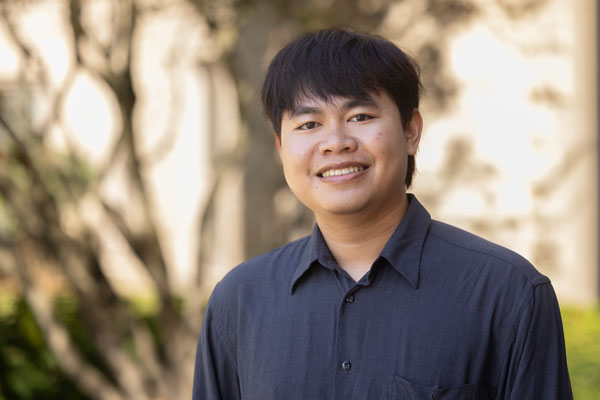
Sovannak Ra is a higher education and student affairs graduate student from Phnom Penh, Cambodia
Hometown: Phnom Penh, Cambodia
High School: Pannasastra International School
Year: Expected graduation: Spring 2026
What is your major (and/or minor), and why did you decide on this course of study?
I am pursuing an M.S.Ed. in higher education and student affairs. I chose this field because I am interested in how institutions support student development, particularly for international students and historically underrepresented communities. My academic interests focus on educational leadership, student affairs, international student experiences and social justice in higher education.
Tell us about the research you are conducting at NIU: what it involves, why it interests you and who has been important to your success along the way.
My research examined food insecurity among NIU students, focusing on how satisfaction with food pantry services influences continued use and retention. Presented at the 2025 College of Education Student Research Symposium, this study used a cross-sectional survey of students who accessed the Huskie Food Pantry to explore relationships among service quality, awareness, usage, food insecurity, stigma, satisfaction and retention. This research is important to me because it centers student voices and highlights how campus support services can be strengthened to reduce barriers and better serve students facing basic needs insecurity, since it resonated with my experiences as an NIU pantry user myself. It was made possible through the support of my collaborator, Sri Yanda; faculty mentors, Dr. Thomas J. Smith, Dr. Michael Tscholl and Dr. Jacqueline Mac; and collaboration with the Huskie Food Pantry, which allowed us to translate research into practical recommendations for improving student support systems.
How has conducting research strengthened your experience at NIU, and how do you expect it to help you in the future?
Conducting this research strengthened my ability to connect theory, data and practice in meaningful ways. I gained experience in survey design, data analysis and research ethics, while learning how to communicate findings to academic and practitioner audiences. Presenting at the College of Education symposium increased my confidence as a scholar and reinforced my interest in using research to inform student affairs practice. This experience also prepared me for a career in higher education, where data-informed decision-making, program assessment and student-centered advocacy are essential. It also laid a strong foundation for future research, conference presentations and potential doctoral study.
Have you completed or are you currently pursuing an internship or other career-related experience? What have you learned or experienced through your internship that you couldn't have gotten in a classroom?
Yes. I completed an ACUHO-I internship with Housing and Residential Services at the Massachusetts Institute of Technology (MIT) during the summer, where I supported conference operations, developed marketing and training materials, and helped manage program logistics for guests. The role also included working as a live-in liaison between conference staff and the housing operations team. The internship provided valuable experience in student housing operations, program management and leadership in residential life. I also gained experience responding to operational challenges, supporting large campus programs and working with diverse groups of students and staff. These experiences strengthened my leadership skills and helped prepare me for a career in student affairs and higher education administration. My graduate assistantship at the Asian American Resource Center (AARC) serves as my primary internship and career-related experience. I obtained this role through the NIU graduate assistantship process. Through my graduate assistantship, I have gained experience in student programming, research, outreach, assessment and retention initiatives. I have had opportunities to work directly with students, collaborate with campus partners and respond to challenges facing diverse student populations. This role has helped me develop skills in leadership, communication, advocacy and program planning that go beyond theoretical learning and better prepare me for a career in student affairs.
What advice would you give to a student who is trying to land their first internship?
I would encourage students to explore roles that align with their academic interests and professional goals, whether on or off campus. Graduate assistantships, research positions and campus offices offer meaningful, hands‑on experience. Be proactive, build relationships with mentors and don’t hesitate to ask questions. Those connections often open doors.
What do you believe an NIU degree will make possible for you that might not have been possible otherwise?
NIU has provided me with opportunities to engage in applied research that impacts student well-being, collaborate with faculty and campus partners, and present my work in a professional academic setting. Completing research and sharing it at a symposium allowed me to develop as a practitioner and scholar in ways that may not have been possible without NIU’s strong emphasis on access, mentorship and experiential learning.
What has genuinely surprised you about your experience at NIU?
What has surprised me most about NIU is how empowered and supported students are, especially through visible, well‑resourced spaces that center historically marginalized communities. NIU does not just talk about access, diversity, equity and inclusion; it actively listens and responds to student concerns. I have been encouraged by how minority voices are uplifted and how campus leaders are willing to engage in meaningful conversations around identity, belonging and student needs. The people I’ve met are genuinely passionate about supporting students and making a positive impact.
Are you involved in student organizations, mentoring programs or extracurricular activities? If so, which ones, and how have they shaped your experience as a Huskie?
Yes. I am a graduate assistant at the AARC, where I support student programming, outreach and leadership development. One of my roles is working with the CONNECT: Bridging Beyond Borders initiative, where I serve in an advisory and sponsorship capacity. In this role, I support student leaders from international and culturally affiliated student organizations by mentoring them through program planning, outreach strategy and collaboration. Through CONNECT, I help students turn their ideas into reality by encouraging cross‑organizational collaboration. One example is Language in Action, a program developed through collaboration among the Intercultural Student Organization, Circus Club, Cultural Sharing Concert team and the Muslim Student Association, where students taught and shared the Arabic language through interactive engagement. Supporting initiatives like this has shown me the power of student leadership and collaboration in building inclusive campus communities. I also serve on the executive board of Chi Sigma Alpha, the honor society for higher education and student affairs. As secretary, I manage organizational communication, logistics, relationships and member engagement. It has strengthened my leadership skills, professional identity and commitment to service within the field of higher education.
What NIU offices, departments or resources have helped you feel supported and successful, and how?
The College of Education has supported my interests in research and professional development, providing opportunities to grow as a scholar and practitioner. The Department of Counseling and Higher Education has encouraged me to take initiative, including helping plan programs such as Student Affairs 101, supporting keynote sessions and engaging in meaningful student affairs practice. The department has also helped guide me through research coursework and navigate the internship search process. The Center for Student Assistance has been a vital support system through weekly mentorship and counseling, access to food support through the Huskie Food Pantry and emergency funding when needed. These resources have helped me maintain stability and focus on my academic and professional goals. The AARC has also been central to my experience at NIU. Through my graduate assistantship, I have gained leadership training, professional development opportunities and meaningful internship‑level experience while supporting student engagement and campus programming. The Psychological Services Center has supported my mental health and well‑being through counseling services. Beyond campus, Network of Nations has served as a community that supports international students like me and feels like a home away from home.
Who has been a favorite instructor or professor, and what did they teach? What made them memorable?
One of my favorite professors has been Dr. Quortne Hutchings, who has been consistently available, supportive and invested in my professional and personal growth. I deeply appreciate the opportunity to work with them and the mentorship they provided. I value that relationship and look forward to staying connected even after graduation.
Where is your favorite spot on campus or in the community, and why are you drawn to it?
One of my favorite spots on campus is the individual enclosed chair area near IT support on the first floor of Founders Memorial Library. It’s a comfortable space perfect for studying and focusing. The Asian American Resource Center is also very special to me. It feels like a second home where I can access resources, community and support. Another favorite is the Center for Southeast Asian Studies, where I spend time with fellow Southeast Asian friends, share meals and reconnect with my cultural roots. Being in that space helps me feel grounded and at home.
How has NIU helped you find your community or your sense of belonging here?
NIU has supported my sense of belonging by providing spaces, opportunities and communities where I can contribute meaningfully and be myself. Through my work as a graduate assistant, my involvement in campus initiatives, and the relationships I have built across campus, NIU has truly become a second home for me.
Why is a college education important to you?
A college education is important to me because it creates opportunities for growth, leadership and meaningful impact. It has allowed me to develop critical thinking skills, cultural awareness and a deeper understanding of how education can be a tool for equity and social change. For me, higher education is not just about earning a degree, it is about gaining the knowledge and confidence to support students, advocate for inclusion and contribute to stronger communities.
What advice would you give to a student who is researching colleges right now?
I would encourage students to look beyond rankings and focus on where they feel supported and seen. Research campus resources, mentoring opportunities and spaces that promote belonging and engagement. A college that invests in student support, leadership opportunities and real‑world experiences can make a significant difference in personal and professional growth.
How do you manage your responsibilities like school, work, family and everything else while still making the most of your time at NIU?
I’ve developed a system that helps me keep track of my schoolwork, professional responsibilities, personal life and time for myself. I prioritize time management, organization and clear goal setting to stay focused. Balancing coursework, research, programming and work requires intentional planning, but I’m also mindful about building in time for rest, reflection and self‑care. I place an emphasis on maintaining personal space and setting clear boundaries to support my mental health and well‑being. Connecting with mentors and using campus resources has also helped me stay grounded and supported. Once I feel organized and in control of my responsibilities, I allow myself time to explore and enjoy campus life, events and community engagement at NIU.
What led you to pursue graduate education, and why did you choose NIU for that next step?
I chose to pursue graduate education because I believe education has the power to change lives. As a first‑generation and international student, breaking barriers and creating pathways for future generations is especially meaningful to me. Graduate education represents an opportunity not only to grow personally and professionally, but also to uplift the communities I come from and the students I hope to serve. I chose NIU because it offers the opportunity to do this work in meaningful and tangible ways. Through my master’s program and the ability to engage in campus work through a graduate assistantship, NIU allows me to connect learning with practice. The university stood out to me because of its strong academic preparation, supportive faculty, commitment to access and equity, and emphasis on research and student engagement. NIU has continually demonstrated a commitment to supporting students like me. In many ways, while I chose NIU, I also feel NIU chose me, by providing the resources, mentorship and opportunities that made my graduate education possible. Being here has affirmed my belief in education as a transformative force and strengthened my responsibility to use that education to serve others.
How has your graduate program connected you to research opportunities, professional networks or career advancement?
My graduate program has connected coursework with real‑world application, allowing me to engage in meaningful research, professional practice and leadership development. Through my graduate assistantship at the AARC, I have conducted research on student engagement and basic needs insecurity, including presenting at the College of Education symposium. The program encouraged conference participation, professional association involvement and national internship experiences. These opportunities have strengthened my research skills, clarified my career goals, and prepared me for leadership roles in student affairs by allowing me to apply theory to practice, while building relationships across campus and beyond.
What has your relationship with faculty and fellow graduate students been like, and how has it shaped your experience?
My relationships with faculty and fellow graduate students have been supportive, collaborative and deeply impactful. Faculty have gone beyond the classroom to mentor me as a developing professional, offering research guidance, encouraging initiative and supporting my long‑term goals. Their accessibility and genuine investment in my growth have built my confidence as a scholar and practitioner. My fellow graduate students have also been an important source of learning and connection. Sharing ideas, projects and experiences with peers who are passionate about student success has created a strong sense of community and belonging. Together, these relationships have made my experience both rigorous and affirming and inspired me to be more compassionate and give back to my community.
What would you tell an undergraduate student who is considering graduate school?
I would encourage students to reflect on their purpose and long‑term goals before pursuing graduate school. Graduate education can be incredibly transformative when aligned with your values and career aspirations. Seek out mentors early, gain practical experiences through leadership or internships, and ask questions about programs that emphasize both academic preparation and applied learning. Graduate school is not just about earning a degree, it’s also about growth, clarity and impact. When you find a program that truly supports and challenges you, the experience becomes deeply meaningful.
What honors opportunities have helped you move closer to your academic or career goals?
The Boey Honors Program (BHP) has been a meaningful part of my academic and professional journey. It has helped strengthen my leadership, critical thinking and service‑oriented skills, while deepening my understanding of cultural engagement. It has also encouraged me to reflect on how I contribute, serve and lead within diverse communities. I am also honored to be selected as a Boey Honors Program student highlight and presenter at the AARC spring 2026 graduation ceremony. This recognition reflects how BHP has supported my growth and affirmed my commitment to service, education and community engagement. Together, my experiences through BHP and the AARC have prepared me for a career in higher education grounded in equity and meaningful impact.
What has it meant to be the first in your family to attend college, and what has NIU done to support you along the way?
Being a first‑generation college student is deeply meaningful to me. It represents breaking barriers and creating opportunities not only for myself, but also for my family and the communities I hope to serve. As an international student, this journey has included navigating cultural adjustment and learning to thrive in a new educational system. These experiences have strengthened my resilience and deepened my appreciation for the transformative power of education. NIU has supported me with mentorship, accessible and caring faculty, and campus resources that center student success and equity. Offices such as the AARC, the Center for Student Assistance and my graduate program have supported me academically, professionally and personally. Through these resources, I found guidance, advocacy and a sense of belonging. I honor my success not only as a personal achievement, but as something shared with my family back home and with NIU, an institution that believed in me and made my educational journey possible.
What scholarships or financial support have you received at NIU?
I have received support through the Rhoten A. Smith Graduate Assistantship Program from the AARC, which is designed to promote inclusive excellence and expand access to graduate education for students who bring a range of experiences, perspectives and talents to NIU. As an international student of color, this assistantship has been especially meaningful in affirming my presence and contributions within higher education. It has allowed me to engage in research, programming and administrative work while being supported by mentorship that values equity, access and student success, preparing me for leadership roles in higher education and student affairs.
Did the availability of scholarships or financial aid factor into your decision to choose NIU? If so, how?
The availability of financial support, particularly the graduate assistantship, was a significant factor in my decision to attend NIU. It made it possible for me to pursue graduate education while gaining hands‑on experience in student affairs and leadership.
How has that financial support shaped your ability to pursue your education and make the most of your time here?
The financial support has allowed me to focus on my academic, research and professional goals without the burden of excessive financial stress. Combined with campus resources, it has allowed me to be more self-reliant and engage fully in research, leadership opportunities and student support initiatives, which has made my NIU experience meaningful and transformative.
Explore More @ NIU
Academics
Follow @HuskiesofNIU on Instagram and see the university through the eyes a different Huskie each week