Instrumentation
Cell Culture
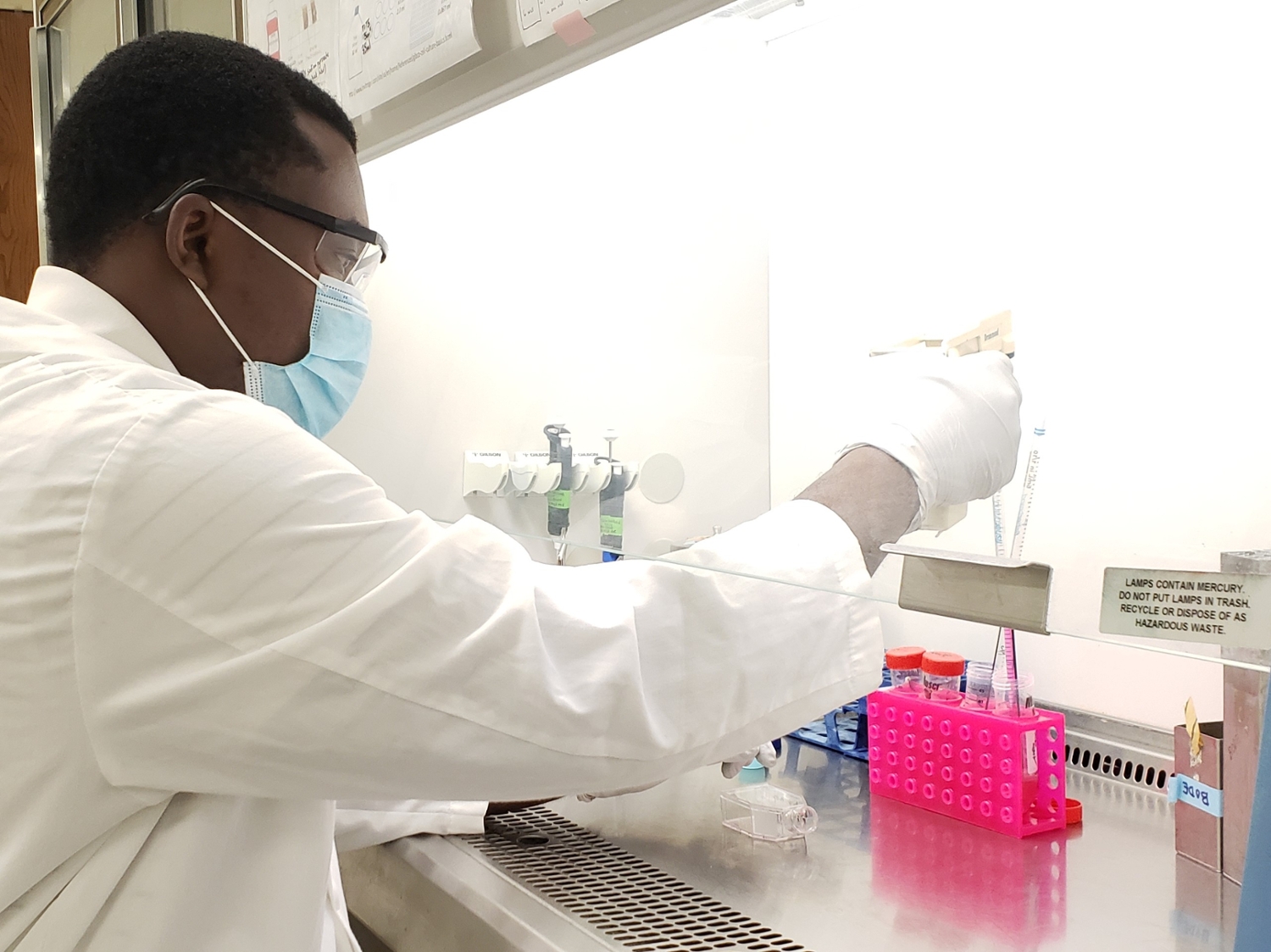
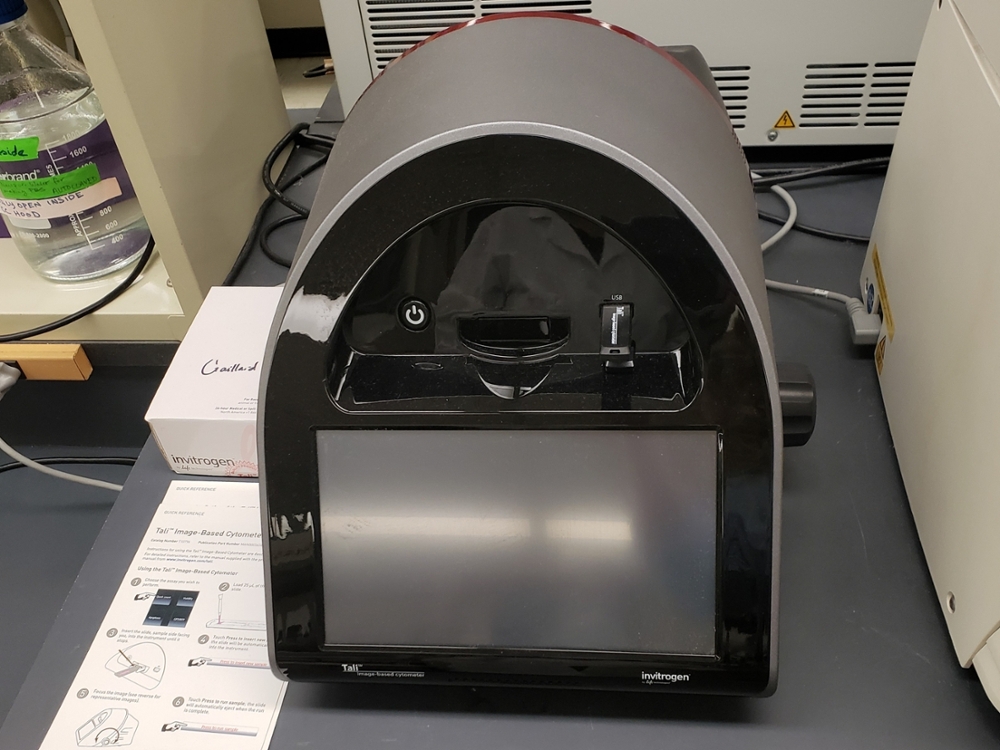
Our laboratories house:
- Four HERAcell 150i incubators and three Thermo Napco 8000 WJ incubators:
- All incubators have humidified atmospheric control, 5% CO2, flexible temperature settings and optional adaptation to a Pfeiffer Cellspin stirring platform for spinner flask cell culture.
- One Thermo Napco 8000 WJ incubator is connected to a nitrogen gas source for short-term hypoxic exposure.
- Two laminar flow hoods (a.k.a. biosafety cabinets): a Thermo Scientific 1300 Series Class II and a Baker Company SterilGARD VBM-600
- A light microscope for standard bright-field visualization and equipped with a Nikon digital camera and NIS-Elements image capture and optimization software
- An EVOS FLoid cell imaging station for bright-field and red/green/blue fluorescence visualization and image capture
EVOS Floid instrument specifications
Options for cell counting: a hemocytometer slide for manual counting; a Tali image-based cell counter and a Millipore Scepter handheld cell counter for automated counting. Single-use materials for Tali counting and for Scepter counting.
Transfection
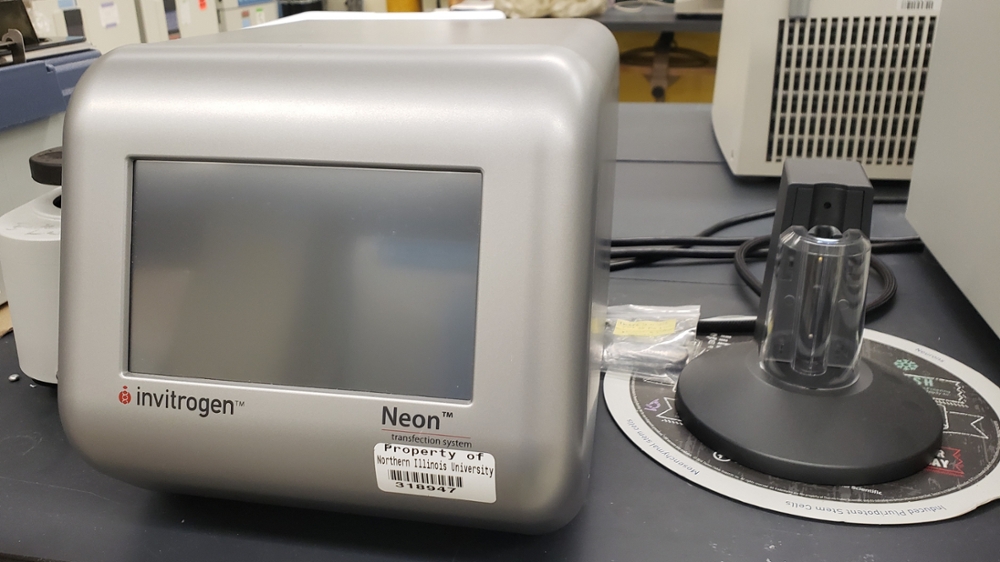
Our Neon® electroporation system is designed for eukaryotic cell transfections. Single-use materials for Neon transfection.
Western Blotting for Protein Analysis
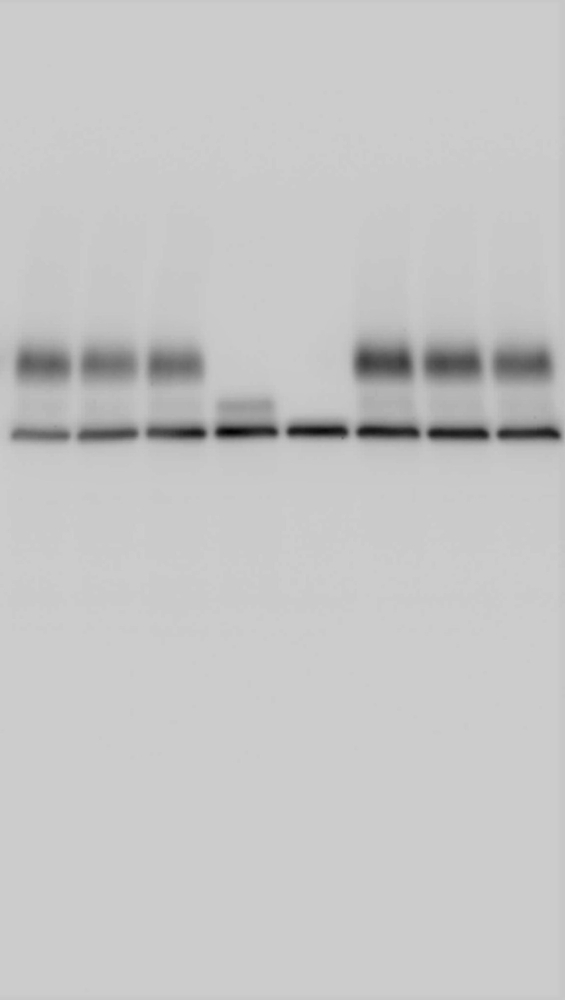
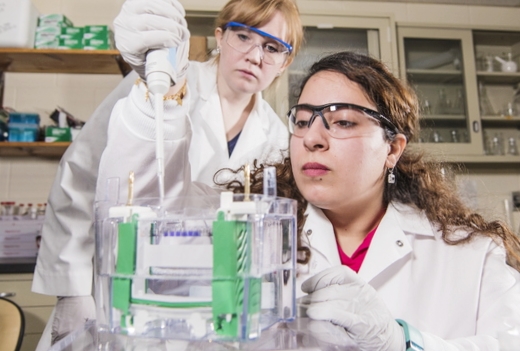
Samples can be homogenized with our Fisher Scientific cup horn sonication system and quantified with our Thermo Scientific NanoDrop 2000 spectrophotometer. Western blot analysis is performed using a Bio-Rad Mini-PROTEAN Tetra vertical electrophoresis and Western blotting system, and single-use precast gels compatible with the Mini-PROTEAN system.
PCR and RT-qPCR for RNA and DNA Analysis
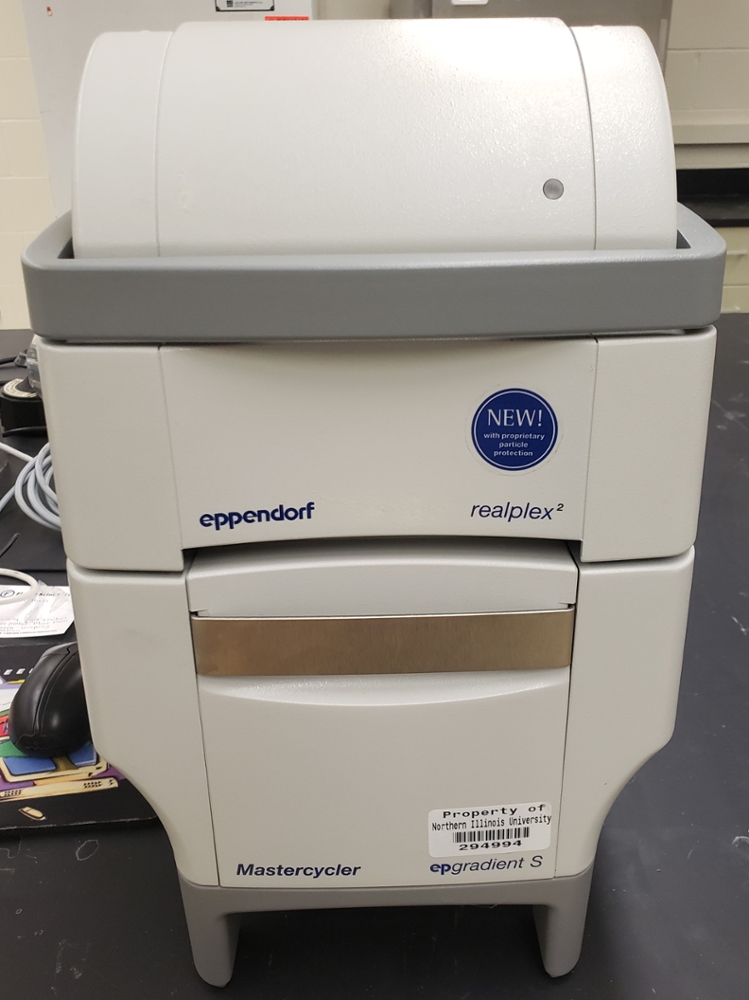
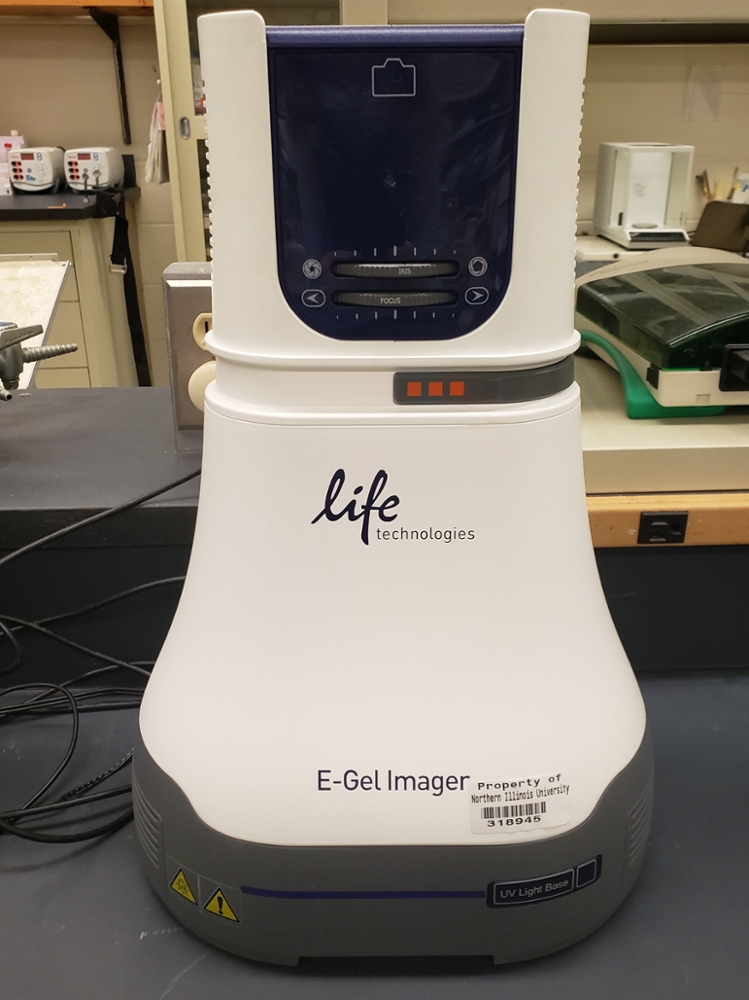
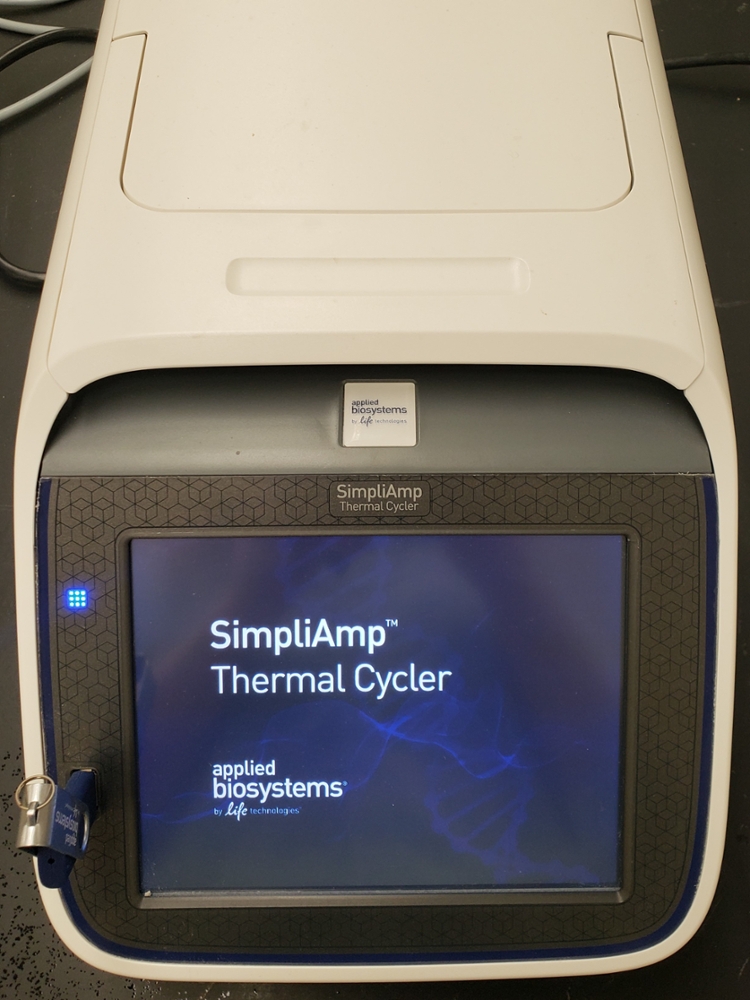
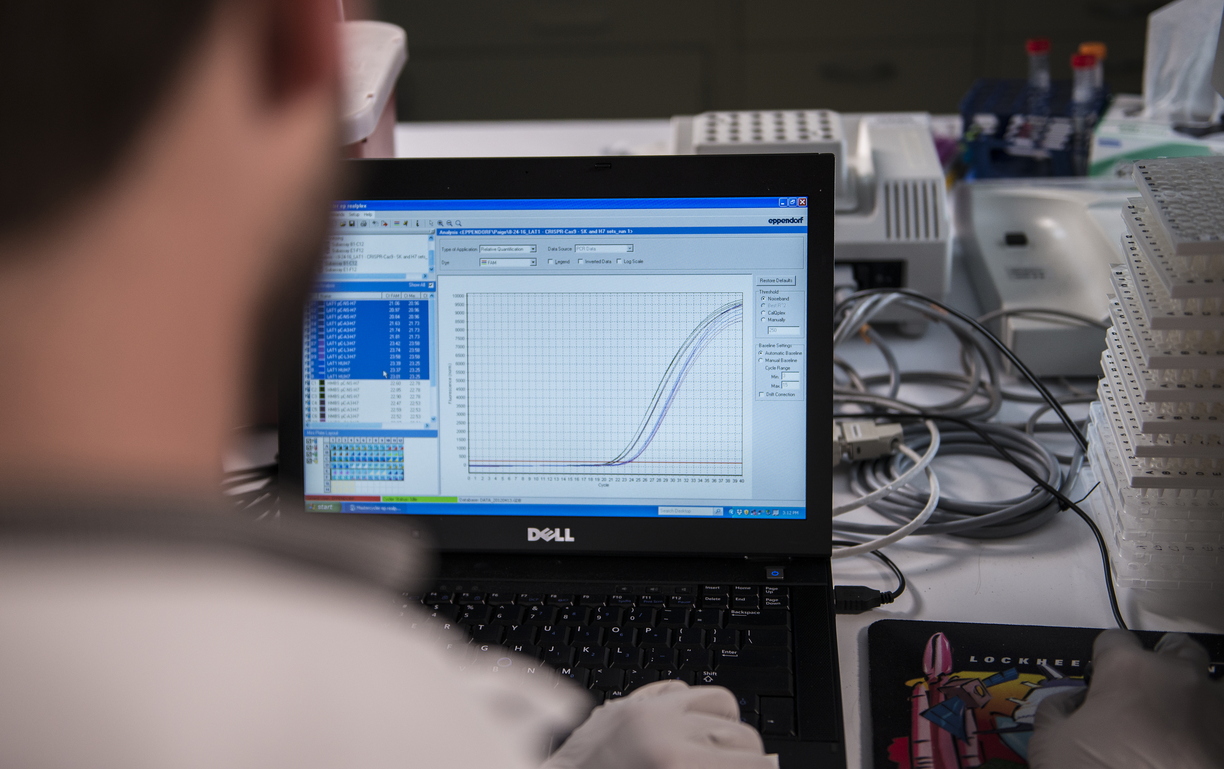
RNA sample preparation and analysis: clean sample preparation can be performed in our Fisher Scientific PCR workstation, and standard PCR reactions can be run on our Applied Biosystems SimpliAmp thermocycler and then visualized on our Invitrogen Life Technologies E-Gel Imager with GelQuant Express analysis software and GelCapture acquisition software. For RT-qPCR applications, we have an Eppendorf Mastercycler Realplex and single-use 96-well plates compatible with this Eppendorf RT-qPCR instrument.
Spectrophotometry
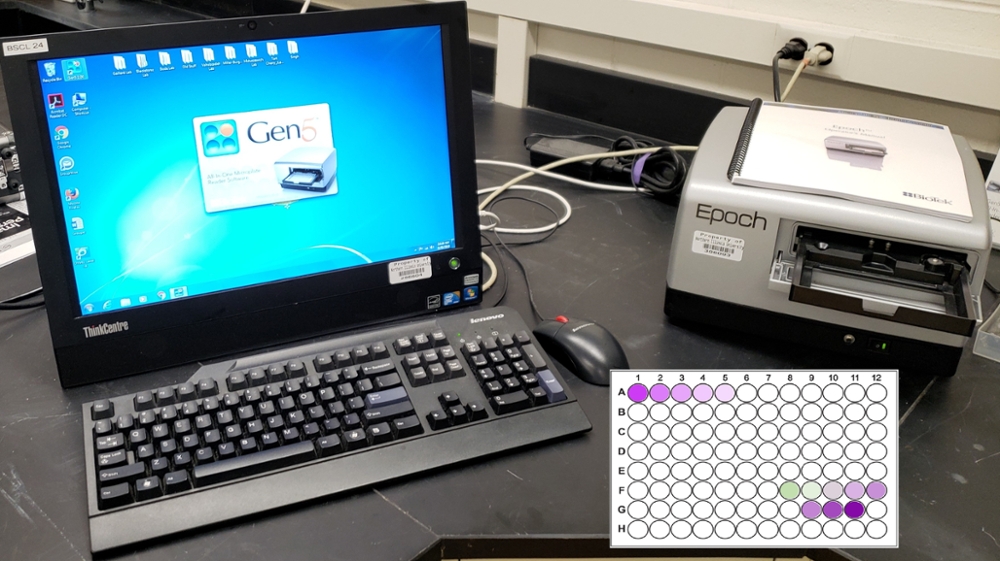
- Epoch UV-Vis microplate spectrophotometer specifications
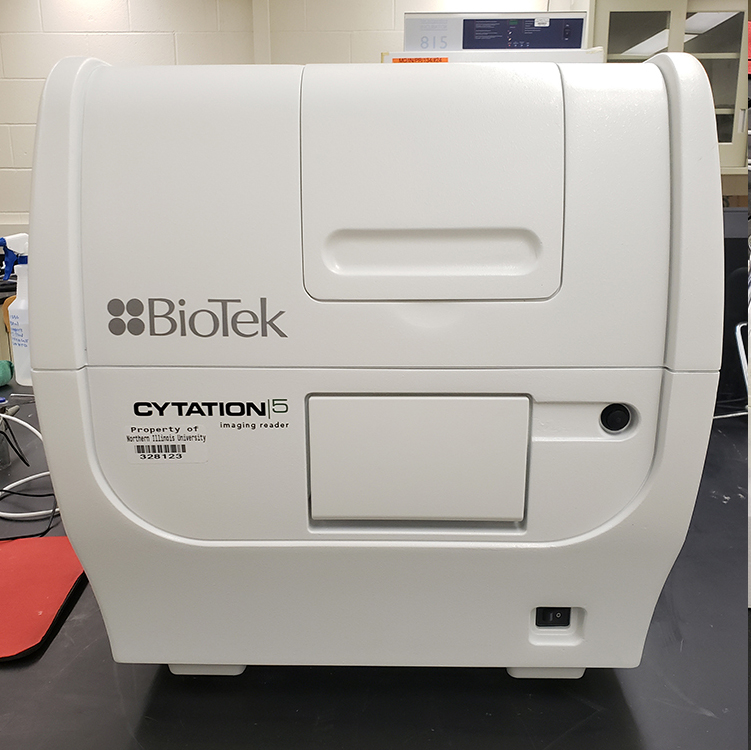
- Cytation 5 specifications (no imaging module)
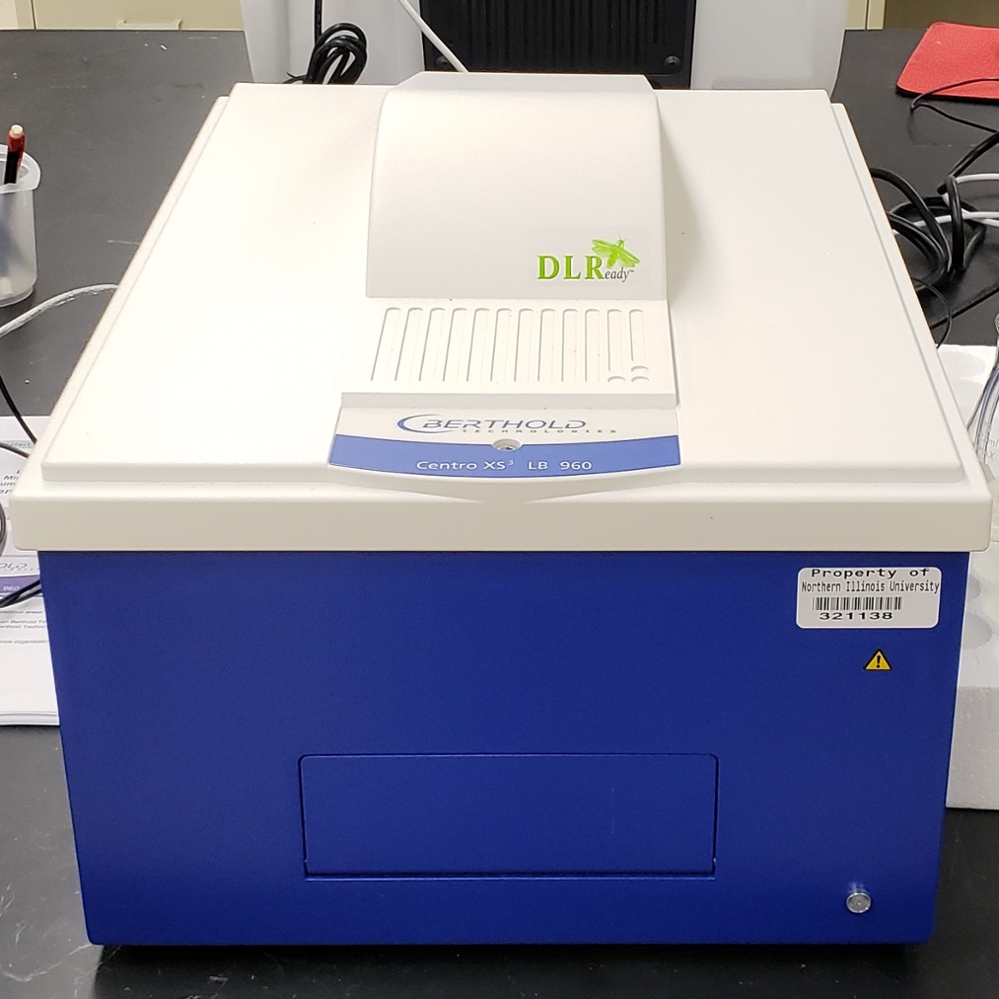
- Centro XS³ LB 960 luminometer
Microbiology
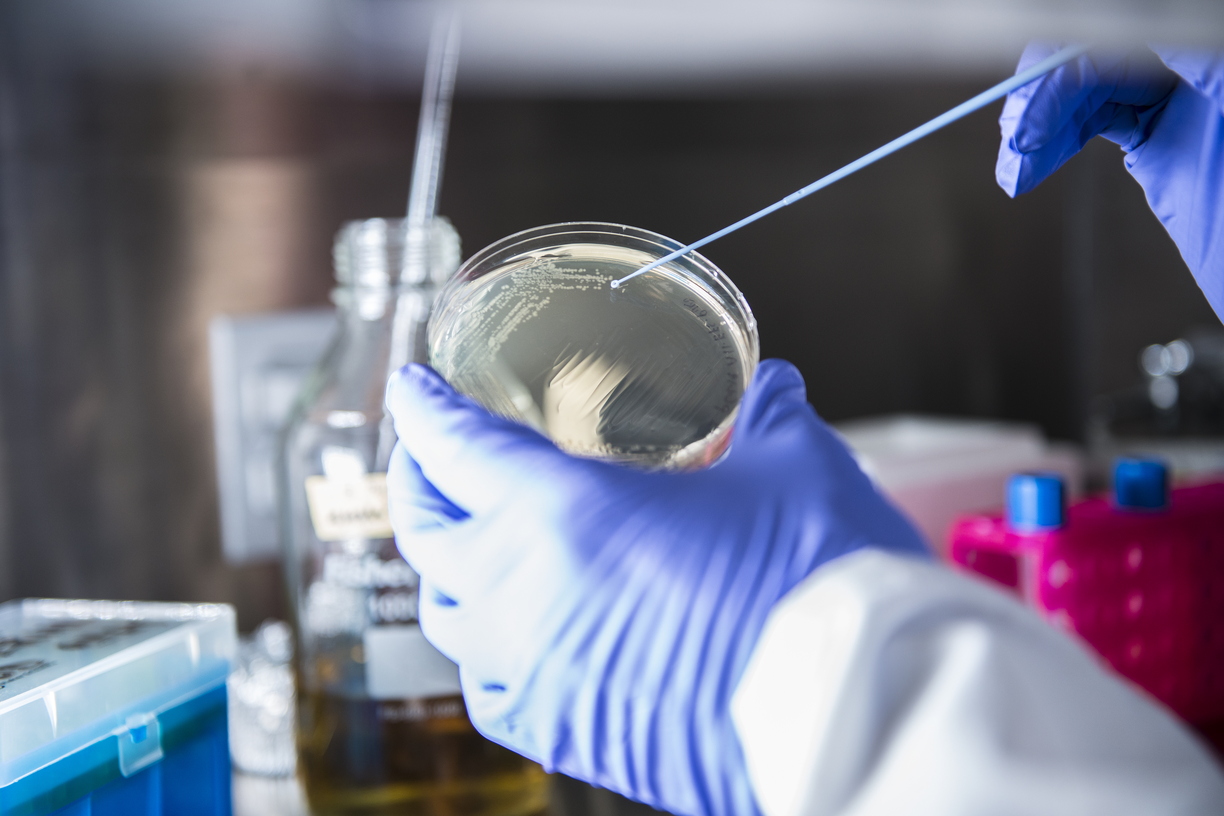
To facilitate bacterial cell culture our microbiology laboratory is equipped with a Baker Company SterilGARD VBM-600 laminar flow hood (biosafety cabinet), a large floor model incubator shaker, bench-top incubators, spectrophotometer, centrifuges, water bath, UV crosslinker, and refrigerated and frozen storage systems.
Additional Equipment
Room 119
- Chemical fume hood
- Large and small bench-top centrifuges
- Mettler Toledo S20 SevenEasy pH meter
- Fisher Scientific Isotemp block heater
- Dry metal bead bath
- Microplate shaker
- Vortex mixers
- Gram and milligram scales
- Barnstead Nanopure ultrapure water system
- Differential storage (4°C, -20°C, -80°C, -190°C liquid nitrogen)
Room 113
- Chemical fume hood
- Thermo Scientific Savant SpeedVac vacuum concentrator
- Wescor Vapro vapor pressure osmometer
- Gram and milligram scales
- Barnstead Nanopure ultrapure water system
- Differential storage (37°C, 4°C, -20°C)
Facility Details
Director
Barrie Bode, Ph.D.Core Lab Director
Professor, Biological Sciences
bodebp@niu.edu
Location
BIOS Research Instrumentation Core (BRIC) and Core Microscopy Facility (CMF)
Montgomery Hall
Rooms 112, 113, 115, 116 and 119
Contact Us
Department of Biological SciencesMontgomery Hall 349
815-753-1753
815-753-0461 (fax)
General questions can be directed to kmeyer5@niu.edu.
Student enrollment questions can be directed to sfarley@niu.edu.